sexta-feira, 21 de março de 2014

Figurative Friday / Sexta-feira Figurativa


Weather Related / Relacionados ao Tempo

Every cloud has a silver lining 
This expression is used when a bad event leads to a good consequence, especially when that consequence was unforseen. It is also sometimes used in the hope of a good consequence arising from a good event, most often in order to try to create a positive atmosphere. "And after breaking his leg David was in hospital, and there was a pretty nurse looking after him called Sophie, and you know the rest. Well, every cloud has a silver lining."
Essa expressão é usada quando um evento ruim leva a uma consequencia boa, especialmente quando essa consequência veio de surpresa.  É também utilizada na esperança de que haja uma boa consequência, comumente para criar uma boa atmosfera. "E depois de quebrar a perna David foi para o hospital, e havia uma bonita enfermeira tratando dele chamada Sophie, e você sabe o resto. Bem, toda núvem tem um contorno prateado.
Tradução: toda núvem tem um contorno prateado.

Make hay while the sun shines
Make the most of your opportunities while you have them, for they may not last for long. Haymaking season in certain northern climates (such as that of the UK) is a notoriously unpredictable time of year, and the hot, sunny late summer weather that was needed to dry the hay supplies for the winter could swiftly turn to torrential rain and ruin the crop - leading perhaps to starvation or sickness of animals, and the loss of a farmer's livelihood. Therefore, in the days when most of the population was rural and lived off the land, this expression would have been seen as a powerful piece of folk wisdom - a strong injunction to get on with your tasks while you could, lest everything came to ruin. Although most people do not live this way any more and even farmers are not so much affected by the weather, this expression has entered the language and remained popular.
Tire o máximo de suas oportunidades enquanto você as tem, pois podem não durar muito. O tempo de fazer feno em certos locais do norte (tipo no Reino Unido) é notoriamente um tempo imprevisível, e os dias quentes e ensolarados do final do verão necessários para secar o estoque de feno do ano para o inverno poderia rapidamente mudar para chuvas torrenciais e estragar a plantação; o que levaria provavelmente à fome ou doença nos animais, e a perda da vivacidade da fazenda. Assim, nos dias nos quais a maior parte da população era rural e viviam da terra, essa expressão era vista como uma poderosa fonte de sabedoria do interior; um grande incentivo a prosseguir com os afazeres enquanto possível, ou tudo estragaria. Apesar de a maioria das pessoas não viverem mais assim e até os fazendeiros não são mais tão afetados pelo tempo, essa expressão entrou para a linguage e permanece popular.
Tradução: Faça feno enquanto o sol brilha.

In the Doldrums
In a low mood, or feeling depressed. Usually it refers to a mild and temporary, rather than severe and long lasting depression. The Doldrums is an old term used to refer to the area around the equator where at sea, long periods of calm with hardly any wind are common, due to the climactic conditions. We have to suppose that the sailors on the old sailing ships must have found being stuck in one place for long extremely frustrating, since their experience of being "In the Doldrums" has entered the language long after the term itself ceased to mean anything to most people!
Mau humor ou se sentir deprimido. Normalmente se refere a algo leve e temporário, ao inves de algo grave e duradouro. "The Doldrums" é um termo antigo usado para se referir à área em volta do Equador, onde é comum no mar ocorrerem longos períodos de calmaria quase sem vento, por causa das condições climáticas. Nós temos que presupor que os marinheiros nos velhos navios ficavam presos em um local  por muito tempo e ficavam frustrados, eis que ficar nos "Doldrums" se tornou parte da língua bem depois do termo por si só significar algo para a maioria das pessoas.
Tradução: Na Estagnação

Any port in a storm
In a stressful or difficult situation, a person is likely to accept an outcome that might fall short of their ideal in ordinary circumstances. This phrase comes from the concept that in a storm, when a ship is fleeing for safety, any port at all (even if not the one intended) is better than being vulnerable in the open ocean. "We never would have thought that Ivan would start going out with someone like her, she was everything he didn't want in a woman - but it was right after the break-up of his marriage, so any port in a storm..." 
Em uma situação estressante ou difícil, alguém provavelmente aceitará um resultado inferior ao aceito em circunstâncias ordinárias. Essa frase vem da idéia de que em uma tempestade, quando um navio está fugindo em busca de segurança, qualquer porto (mesmo um que não se havia intensão de se aproximar) seria melhor do que ficar vulnerável no meio do mar. "Nós nunca imaginamos que Ivan iria começar a sair com alguém como ela, ela era tudo que ele não queria em uma mulher; mas foi logo após se separar da esposa, então qualquer porto em uma tempestade..."
Tradução: qualquer porto em uma tempestade.

It never rains but it pours 
This is used to suggest that misfortunes go together, and that a smaller misfortune can be expected to lead to a catastrophe. "Pour" is a verb used to describe rain when it is particularly heavy, so the literal meaning of the expression is "It never rains, without raining heavily". A debatable sentiment to say the least, but this has not stopped the phrase from becoming popular, especially in the Britain (which, I am reliably informed, in fact has all types of rain imaginable, not just heavy rain).
Isso é usado para sugerir que infortúnios vêm juntos, e que um infortúnio pequeno pode levar a uma catastrofe. "Pour" é um verbo usado para descrever a chuva quando está particularmente pesada, então o significado literal da expressão é "nunca se chove, sem chover pesadamente". Um sentimento questionável para dizer o mínimo, mas isso não impediu a frase de se tornar popular, especialmente no Reino Unido (no qual fui informada por fontes fidedignas que há chuvas de todos os tipos, não só pesadas).
Tradução: Nunca se chove, mas despenca.

A storm in a teacup
This suggests that a very minor matter is being blown out of all proportion. "Sue was in a panic about going out last night and was threatening not to come because she would look dreadful. Then we found out that all she had done was chip her nail polish - talk about a storm in a teacup!"
Isso sugere que algo pequeno fugiu completamente de proporção. "Sue estava em pânico para sair na noite passada e estava ameaçando não vir porque estava com a aparência horrível. Depois descobrimos que o que ela fez foi estragar o esmalte do dedo - fale sobre uma tempestade dentro de um copo de chá!"
Tradução: Uma tempestade em um copo de chá/xícara.

Fairweather friend
A friend who is only there for you when times are easy, and who lets you down when there are problems. The expression implies a person who is there in fair weather - when the figurative sun is shining, but not for the "storms" of life.
Trata-se de um amigo que só está presente quando os tempos estão bons, e que te desaponta quando há problemas. A expressão implica alguém que está presente quando o tempo está bonito; quando o sol figurativo está brilhando, mas não quando há "tempestades" na vida.
Tradução: amigo de bom tempo.

Sail [too] close to the wind
This means that someone is taking undue risks, which are likely to have bad consequences. This is another old sailing term which has entered the language and is still in use long after most people have forgotten the literal meaning of the words. A vessel which sailed too close to the wind (by heading too much into the direction the wind was blowing from, instead of at an angle or away from the wind)  would not be able to make progress, and if it persisted might suffer damage or be blown back, or even be at risk of capsizing. "Sarah is in debt every month to keep her business afloat, and every month just about manages to keep the interest paid off. She's sailing too close to the wind if you ask me."
Isso significa que alguém está se arriscando desnecessariamente, o que provavelmente levará a má consequências. Trata-se de outro termo velho de velejadores que entrou na linguagem e ainda está em uso bem depois de muitas pessoas esquecerem-se do significado literal das palavras. Uma embarcação que navegou muito próxima ao vento (por se direcionar muito rente à direção do vento, ao invés de em um ângulo ou contra o vento) não conseguirá fazer progresso, e se isso persistir pode sofrer danos ou ser soprado para trás, ou até corre o risco de virar. "Sarah tem dívidas todos os meses mantendo seu negócio, e todos os meses consegue com dificuldades pagar os juros. Ela está navegando muito próxima do vento se você me perguntar".
Tradução: velejar (muito) próximo do vento.

To shoot the breeze [usually American]
To have a casual, relaxed conversation, particularly about matters of no importance (gossip or trivialities). "We spent hours after dinner just drinking beers and shooting the breeze, till it was time to go home."
Ter uma conversação casual e relaxada, particularmente a respeito de assuntos sem importância (fofocas ou trivialidades). "Nós passamos horas depois do jantar só bebendo cerveja e atirando à brisa, até que chegou a hora de ir para casa".
Tradução: Atirar na brisa. (normalmente Americano)

Come rain or shine
Something in future can be depended upon to happen, whatever the circumstances are favorable or not. This expression can also be used more literally, to say that an event (particularly an outdoor one) will take place regardless of the weather. "If it's sunny we'll all be outdoors, and if it rains we'll move into the marquee. So come rain or shine, the wedding party will go to plan!"
Algo acontecerá no futuro, independente das circunstâncias, favoraveis ou não. Essa expressão pode também ser usada mais literalmente, para dizer que um evento (particularmente um do lado de fora) ocorrerá independentemente do tempo. "Se estiver fazendo sol todos nós estaremos lá fora, e se chuver vamos para debaixo da tenda. Então faça chuva ou faça sol, a festa de casamento seguirá os planos".
Tradução: Faça chuva ou faça sol.

sexta-feira, 7 de março de 2014

Figurative Friday / Sexta-feira figurativa


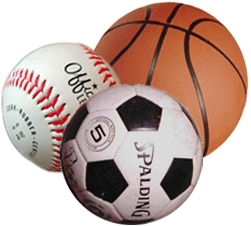
Sports related idioms / Idiomas relacionados a Esportes

 
Is/Is not cricket (particularly British, but see below)
To play fair or to use gentlemanly conduct, it is usually used in the negative, hence "it's not cricket", means that someone is cheating, or taking unfair advantage of a situation. The elite private "Public" schools in the U.K. have traditionally regarded sports as being important for building character and developing leadership skills and morality. Rather than the "win at all costs" mentality popular among modern sports fans and players, they promoted an ethos which emphasized participation, fair play, and "honorable" conduct, which were seen as appropriate to the social elite, especially in the Victorian period. The game of Cricket has always been popular in British private schools, and was traditionally seen as a particularly appropriate activity for demonstrating a commitment to the values that these schools cherished. My spouse tells me, however, that the modern professional players are not necessarily more notable for their integrity than other professional sportspeople, although the fans and commentators often expect them to be, and are consequently more disappointed than fans of many other sports when they fail to live up to expectations. This expression is common in all English speaking countries where cricket is played, including English speakers in countries like Pakistan and India. It is rare to encounter it in Canada and North America however. "Steve pretends that there's no work in order to lay off his employees just before they get their statutory rights, and then re-hires them a few weeks later. It may be legal, but it's just not cricket."
Tradução: É/Não é críquete
Jogar justamente ou ter conduta educada. É normalmente usado negativamente, então "não é críquete", significa que alguém está trapaceando, ou tirando vantagem indevida de alguma situação. As escolas de elite privadas "públicas" no Reino Unido têm esportes como algo importante para a criação de caráter e desenvolvimento de abilidades de liderança e moralidade. Ao inves da mentalidade de "ganhar a todo custo" que é popular entre os fãs e jogadores dos esportes modernos, eles promoviam uma ética que enfatisa participação, jogo justo, e conduta honorável, que eram vistas como apropriadas para as elites, especialmente na era Vitoriana. O jogo de críquete sempre foi popular em colégios particulares Britânicos e era visto como uma atividade particularmente apropriada para demostrar o comprometimento com os valores bem quistos. Meu esposo me diz, entretanto, que os jogadores profissionais modernos não são mais íntegros do que outros profissionais do esporte, embora os fãs e espectadores assim esperam, e logo se desapontam mais do que os fãs de outros esportes que não atuam de maneira esperada. Essa expressão é comum em todos os países da língua inglesa onde o críquete é jogado, incluindo faladores de inglês no Paquistão e na India. É raro ser percebido no Canada e na America do Norte, contudo. "Steve fingiu que não havia trabalho para se livrar dos empregados, evitando de dar-lhes seus direitos estatutários, e depois os contrata de novo algumas semanas depois. Pode ser legal, mas não é críquete."

Own goal
This is when a person or organization does something that is not in their best interest or to their disadvantage. It's equivalent to "gol contra" in Portuguese. "Sam told his wife that he'd never so much as looked at that beautiful redhead with the large mammaries - that was a real own goal. He had to sleep on the couch last night."
Isso é quando uma pessoa o organização faz algo que não é de seu interesse ou não é vantajoso. É equivalente à frase idiomática "gol contra" em português. "O Sam falou para sua esposa que ele jamais olhou para a linda ruiva com grandes mamárias; isso foi um gol próprio. Ele teve que dormir no sofá na noite passada."
Tradução: gol próprio.

Saved by the bell 
To be saved from misfortune or unpleasantness by a timely interruption. It alludes to a boxer who is knocked to the canvas, and must regain his feet before a count of ten or lose the contest; if the bell signalling the end of the round is rung before the count is finished, the fighter now has until the start of the next round to recover and resume fighting. "And after that question I simply didn't know how to respond without looking stupid, but luckily one of the kids started screaming at that point, so I was saved by the bell."
Ser salvo de infortúnios ou coisas desagradáveis por uma interrupção oportuna. Alude a um jogador de boxe que é derrubado no tatame e deve ficar de pé antes da contagem até dez ou perde o jogo; se o sino do fim do round toca antes dos dez segundos, o jogador tem até o início do próximo round para se recuperar e resumir a luta. "E depois daquela pergunta eu não sabia responder sem parecer bobo, mas sortudamente um dos meninos começou a gritar naquele ponto então eu fui salvo pelo sino."
Tradução: salvo pelo sino.
 
[Touch/get to] First base (particularly American)
This refers to making progress towards objectives. Second, third or fourth bases are progressively further into accomplishment, in the same way as a runner in the game of Baseball gets closer to his objective as he achieves a higher numbered base. This expression is used in a wide variety of circumstances, but perhaps most often encountered in the context of sexual "conquests" and business deals. Although Baseball is mainly a North American game, this expression is understood now in most countries where English is spoken. "Marie said that she won't even go to first base [probably kissing] until she's had at least 6 dates with a guy."
Isto refere-se a fazer progressos em direção a objetivos. A segunda, terceira ou quarta base são progressivamente mais próximas da realização, do mesmo modo que um corredor no jogo de Beisebol chega mais perto do seu objetivo quando ele chega a uma base de numerada mais alta. Esta expressão é usada em uma larga variedade de circunstâncias, mas possivelmente muitas vezes encontrada no contexto de "conquistas" sexuais e acordos de negócios. Embora o Beisebol seja um jogo Norte-americano, esta expressão é entendida agora na maior parte de países onde o inglês é dito. "Marie disse que não irá nem à primeira base (provavemente beijar) até que saisse 6 vezes com um cara."

Tradução: [Encostar/Chegar a] Primeiro base (especialmente americano)

Sticky Wicket (particularly British, as above)
This is used to describe a difficult circumstance. It originated as a term for difficult playing conditions in the sport of cricket, caused by a damp and soft pitch (the ground that this game is played on). Like the earlier idiom from cricket, it is understood and used in all countries where the game is played, but probably will not be in Canada and the USA, where it is not so popular.
Isto é usado para descrever uma circunstância difícil. Originou-se como um termo de condições difíceis de jogo no esporte do criquet, causado por um terreno úmido e suave (a terra desse jogo). Como o idioma anterior de cricket, é entendido e usado em todos os países onde o jogo é jogado, mas provavelmente não no Canadá e os EUA, onde não é tão popular.

Tradução: Postigo Pegajoso (especialmente britânico)

Horses for courses
In horse racing the fastest horse doesn't always win, because different race tracks require different abilities, not just speed. This idiom means that you have to analyze a situation thoroughly before choosing a solution, and weigh up all factors in deciding which option is best. "I can either go freelance and work how and when I like, or work for the government and get a guaranteed salary and pension for the rest of my life. I guess it's horses for courses."
Tradução: Cavalos para pistas
Em corridas de cavalos, o cavalo mais rápido nem sempre ganha, porque as pistas de corrida diferentes necessitam capacidades diferentes, não somente velocidade. Este idioma significa que você tem de analisar uma situação completamente antes de escolher uma solução, e ponderar todos os fatores na decisão da opção melhor. "Posso ser frelance e trabalhar como e quando eu gosto, ou trabalhar para o governo e adquirir um salário garantido e pensão para o resto da minha vida. Acho que são cavalos para cursos."

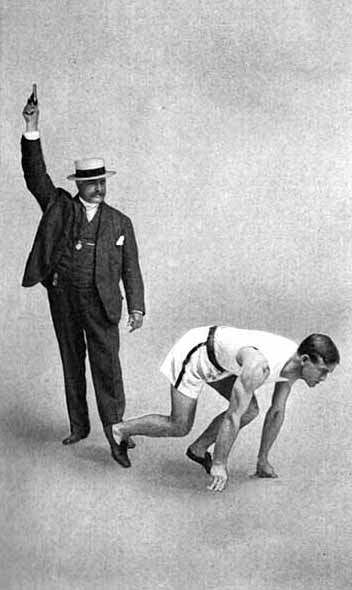
Jump the gun
This expression from athletics is used when a person starts doing something too early. Jumping the gun literally means starting the race before the starting gun is fired.
Essa expressão de atletas é usada quando uma pessoa começa a fazer algo muito cedo. Pular o revolver significa literalmente começar a corrida antes que o tiro inicial seja ouvido.
Tradução: pular o revolver.
 
(To swallow something) Hook, line and sinker 
This originates from fishing, and refers to a situation where all the fishing equipment (besides the rod!) is swallowed by the fish. Figuratively, therefore, it is used when a person or group has "taken the bait" by believing in something completely and uncritically. Often the thing believed in when this expression is used is deemed to be a lie, propaganda, or at the very least untrustworthy. "I told Shannon that a tooth would dissolve completely if you put it in coke overnight, and she swallowed it hook, line and sinker - she told me she was never going to drink the stuff again!"
Tradução: (engolir algo) Gancho, linha e chumbada
Isto origina-se da pesca, e refere-se a uma situação onde todo o equipamento de pesca (além da vara!) é engolido pelo peixe. Figurativamente, por isso, é usado quando uma pessoa ou o grupo "tomaram a isca" acreditando em algo completamente e sem crítica. Muitas vezes considera-se que a coisa acreditada quando esta expressão é usada é uma mentira, propaganda, ou no mínimo indigno de confiança. "Eu disse a Shannon que um dente se dissolveria completamente se você o põe na coca durante a noite, e ela engoliu-o gancho, linha e chumbada - ela disse-me que ela nunca ia beber isso novamente!"

Curve ball (mostly American)
This comes from the sport of baseball and refers to a ball pitched so that it moves unexpectedly through the air, in a curved arc instead of straight towards the batter. It refers to anything unexpected or designed to deceive.
Isso vem do baseball e se refere à bola que ao ser jogada, se move de forma não esperada pelo ar, em um arco ao inves de ir reto até  o batedor. Isso se refere a qualquer coisa inesperada ou criada para enganar.
Tradução: bola que curva.


sexta-feira, 28 de fevereiro de 2014

Figurative Friday / Sexta-feira Figurativa


Food Related (part 2) / Relacionadas a Comida (parte 2)

Out of the frying pan and into the fire
This is when a situation goes from bad to worse, often when what seemed like a solution to the original problem has been applied and been unsuccessful. Presumably the idea is that being cooked in a fire is (even) worse than being cooked in a frying pan. "So when the shooting started we decided to take shelter in a nearby house, only to find that it was full of armed men, and we had actually walked straight into the terrorists' main base - we went straight out of the frying pan into the fire!"
Isso é quando a situação passa de ruim para pior, frequentemente quando algo parecia ser a solução para o problema original e não foi bem sucedida. Presume-se que ser cozido no fogo é pior que ser frito em uma frigideira. "Então quando o tiroteio começou nós decidimos  nos abrigar em uma casa próxima, somente para descobrir que estava cheia de homens armados, e na verdade nós fomos direto para a base principal dos terroristas; fomos direto para fora da frigideira para o fogo!"
Tradução: Fora da frigideira e direto para o fogo.

You can't make an omelet without breaking eggs
Some endeavors have troubles and risks that cannot be avoided but the end results are well worth the trouble (in the opinion of the person using the phrase, which might not be agreed upon by everyone!). "Mike pulled his hamstring in running practice, but you can't make an omelet without breaking eggs."
Alguns empreendimentos têm dificuldades e riscos que não podem ser evitados mas os resultados finais fazem tudo valer a pena (na opinião da pessoa que usou tal frase, que pode não ser a opinião dos outros!). "Mike torceu o tornozelo no treino de corrida, mas você não pode fazer um omelete sem quebrar os ovos".
Tradução: você não pode fazer um omelete sem quebrar os ovos.

Better than a slap in the face (or belly) with a wet fish
When a person complains about something (or could be expected to complain), another may use this phrase to imply that they are lucky to have what they do, and it could have been much worse. "Jane only won some dog food cans in the raffle, but as I told her, it's better than a slap in the face with a wet fish."
Quando uma pessoa reclama de algo (ou se espera que reclame), outra posse usar essa frase para implicar que são sortudos os que têm o que eles fazem, e poderia ser muito pior. "Jane ganhou latas de comida de cachorro na rifa, mas como lhe disse, é melhor que um tapa na cara com um peixe molhado."
Tradução: melhor que um tapa na cara (ou barriga) com um peixe molhado. 

Too many cooks spoil the broth
If too many people try to do the exact same thing at the same time it will most probably ruin the end result.
Se muitas pessoas tentam fazer a mesma coisa ao mesmo tempo, provavelmente vão arruinar o resultado final.
Tradução: Cozinheiros demais estragam a sopa.

A watched pot never boils
Worrying about a situation and giving it attention (without taking action that is likely to change anything) won't improve it or make it resolve itself any quicker. 
Preocupar-se com uma situação e dar-lhe muita atenção (sem tomar atitudes capazes de mudar algo) não melhorarão a situação ou a farão se resolver mais rápido.
Tradução: um pote olhado nunca ferve.

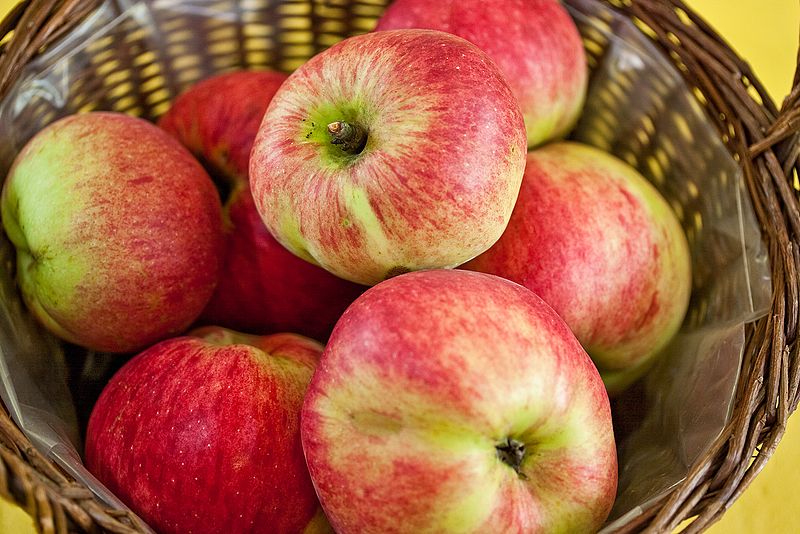
One bad apple spoils the barrel
If a group of people contains one bad one, this corrupts the group, or may result in such group getting a bad reputation. Sometimes this expression is shortened to "one bad apple", which is generally understood. "After that experience it's not surprising that he hates the police, but you shouldn't judge a whole organization on one bad apple."
Se um grupo de pessoas contém uma ruim, isso corrompe o grupo todo, ou pode resultar em má reputação para tal grupo. Algumas vezes essa expressão é dita dessa forma: "uma maça ruim", que normalmente é entendida. "Depois daquela experiência não é de se surpreender que ele odeia policiais, mas não se deve julgar uma organização por causa de uma maça ruim."
Tradução: uma maça ruim estraga o barril.

The apple of one's eye
This refers to someone's favorite person, often a child or other relative, or in other contexts a person who is treated with undue favouritism. "Sarah spent all morning at work doing her nails and gossiping, but Steve is the boss there and she's the apple of his eye, so it's no surprise she gets away with it."
Isso se refere à pessoa preferida de alguém, frequentemente uma criança ou algum parente, ou em outro contexto uma pessoa que é tratada com favorecimento. "Sarah passou a manhã toda no trabalho fazendo as unhas e fofocando, mas Steve é o chefe de lá e ela é a maça dos olhos dele, então não é de se surpreender que ela escapa de reprimendas."
Tradução: a maça dos olhos de alguém. 

The carrot and stick (approach)
This is when someone threatens (or implies a threat) and bribes a person at the same time to get them to do what they want to. This is probably based on the old idea that a donkey can be persuaded to move by dangling a carrot in front of its nose which it hopes to eat, and having a stick in reserve to hit or poke it with if it still refuses, for additional encouragement. "I'm using the carrot and stick approach with Cheryl; I praise her when she does her homework, even when she gets it wrong, and when she doesn't do it or makes excuses, I remind her that I will be discussing this with her parents later."
Isso é quando alguém ameaça (ou deixa a ameaça subentendida) e suborna alguém ao mesmo tempo para que façam algo. É provavelmente baseado na ideia de que um burro será convencido a se mover se alguém pendurar uma cenoura na frente de seu nariz e aquele quer pegá-la, e ter um pau de reserva para bater ou cutucar-lhe se ainda assim se recusa, para encorajamento adicional. "Estou usando o método da vara e  cenoura com Cheryl; lhe recompenso quando ela faz o dever de casa, mesmo se ela erra, e se ela não o faz ou inventa desculpas, eu a lembro que irei contar para seus pais".
Tradução: (o método d)a cenoura e (d)a vara.

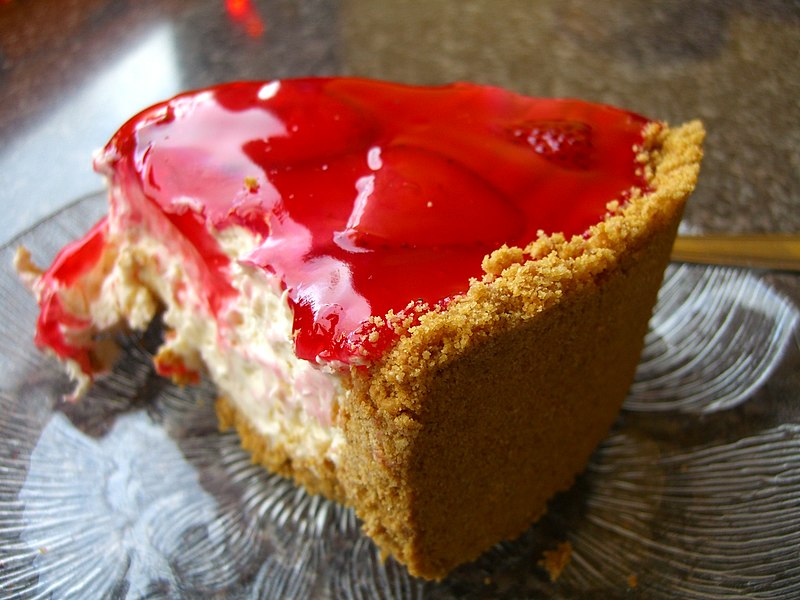
To have one's cake and eat it (too)
This is when a person wants the advantages of something without paying the price which it entails. The use of "have" in this phrase is a little unusual, and it would more conventionally be expressed as "keep", as the phrase literally means that a person is wanting both to keep their cake and to consume it, an obviously impossible contradiction. "He thinks that because he's been getting paid so long for doing the bare minimum that a promotion is still going to come down some day, but you can't have your cake and eat it too."
Isso é quando alguém quer as vantagens de algo sem pagar-lhe o preço. O uso da palavra "have" (ter) nessa frase não é usual, e é equivalente a "keep" (manter), eis que a frase significa literalmente que uma pessoa quer manter o bolo e o consumir, obviamente uma contradição. "Ele pensa que por ter trabalhado tanto tempo fazendo o mínimo possível ainda será promovido, mas não é possível manter o bolo e come-lo também."
Tradução:  manter o bolo e come-lo (também).


sexta-feira, 21 de fevereiro de 2014

Figurative Friday / Sexta-feira Figurativa

Related to Dogs / Relacionadas a Cães


To see a man about a dog
This confusing expression is normally used in response to a question like "Where are you going?", where the person being asked does not wish to answer the question. It is therefore a phrase which doesn't have a specific meaning, but can be interpreted as a (somewhat) polite refusal to answer the question. It can also be used with similar meaning when a person announces that they are leaving (often temporarily), but does not wish to say where. Two traditional uses of this phrase are as a euphemism for going to the bathroom, and for going to purchase alcohol (the second usage came as a result of prohibition in the USA, and is not likely to be understood elsewhere). My British-born husband told me that his mother used to insist that his father liked saying "I'm going to Omruff and Twizzling to see a man about a dog" when someone became too curious about where he was going. This colorful expression was probably one specific to his local area, if not one he invented himself!
Essa expressão confusa é normalmente usada em resposta a uma pergunta do tipo: "onde você vai?", e a pessoa não deseja responder. Dessa forma, é uma frase que não tem um significado específico, mas pode ser interpretada como uma recusa (mais ou menos) educada à pergunta feita. Também pode ser usada com significado similar quando uma pessoa anuncia que vai sair (na maioria das vezes temporariamente),  mas não quer dizer para onde. Dois usos tradicionais são um eufemismo para ir ao banheiro e para ir comprar álcool (o segundo uso veio da proibição nos EUA, e não será entendido em outros lugares). Meu marido disse que sua mãe costumava insistir que seu pai gostava de dizer "
I'm going to Omruff and Twizzling to see a man about a dog" (Eu vou para Omruff and Twizzling para ver um homem a respeito de um cão". Essa expressão exótica era provavelmente advinda de um local específico, se não um que ele mesmo inventou!
Tradução: Ir ver um homem a respeito de um cão.

Dog days
These are the hottest days of summer in the Northern Hemisphere (normally in July and August). In ancient times, the Romans associated this time of year with Sirius (the "Dog" star) rising at the same time as the sun - the usage has stuck in English and some other languages despite the fact that Sirius can no longer be seen in this way due to astronomical changes - in particular, the precession of the equinoxes.
Estes são os dias mais quentes do verão no hemisfério do norte (normalmente em julho e agosto). Nos dias antigos, os Romanos associavam esse tempo do ano com Sírio (a estrela "cão") a qual subia ao mesmo tempo que o sol; o uso permaneceu no inglês e outras linguas apesar do fato que Sírio não pode ser mais visto dessa maneira devido a mudanças astronômicas, em particular a precessão dos equinócios.
Tradução: dias de cão.

Dog in a manger
When a person is being like a dog in a manger (sometimes the "like" is omitted), they are in possession of a thing they don't want or can't make use of themselves, and are keeping it, or keeping others away, merely to stop other people being able to use it. This phrase comes from the corresponding tale in the ancient story collection "Aesop's Fables", the source of many English expressions and proverbs. In the tale, a dog is sitting in a manger (the traditional term in English for an animal feeder which holds straw or hay, it has no connection in this case with the Nativity), and barking at the animals which came to feed, to drive them away. When they ask it why it is guarding the hay, when it cannot eat it itself and they are hungry, it admits that it it is envious of them for being able to eat the hay when it cannot, and is acting from spite.
Quando uma pessoa está sendo como um cão na mangedoura (algumas vezes o "como" é omitido em inglês), obtiveram algo que não querem ou não têm como utilizar, e estão mantendo-o, ou mantendo os outros longe deste, meramente para não deixar ninguém usar. Essa frase vem do conto da coleção antiga "Fábulas de Esopo", a fonte de muitas frases idiomáticas e provérbios em inglês. Nessa fábula, um cão senta-se em uma mangedoura (o termo tradicional em inglês para o comedouro de animais no qual são postos feno ou palha, e não tem conexão com a Natividade), e late para os animais que vêm comer, para os espantar. Quando lhe perguntam por que ele está tomando conta do feno, já que não pode comer e os outros animais estão com fome, ele admite que tem inveja dos comedores de feno e palha e o faz só de ruindade.
Tradução: cão na mangedoura.

Gone to the dogs
When something has gone to the dogs, it is in a decline, has less prestige, or is less worthy of respect than it used to be. "Fred was such a good salesman, but he's really gone to the dogs since his drink problem started."
Quando alguma coisa foi para os cachorros, está em declínio, ou tem menos prestígio, ou é menos digno de respeito do que antes. "Fred era um vendedor muito bom, mas realmente foi para os cachorros depois que seus problemas com o álcool começaram".
Tradução Foi com os cachorros.

Hair of the dog
This usually refers to a person with a hangover drinking more alcohol the next day, in order to cure the hangover (or simply as an excuse for drinking more even when one already has a hangover). In America it may particularly be used of the cocktail "Bloody Mary", which is commonly regarded there as a hangover cure and drunk in the morning. The phrase originates in medieval medicine and old folk remedies - it was once a standard treatment to get a hair of the dog that bit a person to place it in the wound, as a sort of homeopathic (or superstitious) protection against wound infection or diseases as sepsis and rabies. You can probably see the connection between a treatment of this type and drinking more alcohol when you already have a hangover, though I'm not sure that the latter treatment is actually any more effective than the former! It's now quite rare to see this expression in its original full form "The hair of the dog that bit you (or me)". Many modern speakers may not even know that this is what it means, because it has become a set phrase, which is usually said without thinking.
Isso normalmente se refere a uma pessoa com ressaca bebendo mais álcool no próximo dia, para curar tal ressaca (ou simplesmente uma desculpa para beber mais apesar da ressaca). Na América pode esr usado para significar o cocktail "Bloody Mary", pois é considerado uma cura para ressaca e é bebido de manhã.  A frase se originou na medicina medieval e velhos remédios tradicionais; uma vez era o tratamento padrão pegar um pêlo de cão que mordeu alguém e colocar no machucado, como um método homeopático (ou de superstição) de proteção contra infecção ou doenças como ráiva ou sépsis. Você provavelmente pode ver  a conexão entre o tratamento desse tipo e beber mais álcool quando já se tem uma ressaca, porém, não tenho certeza se o último tratamento é mais eficiênte que o outro! É bem raro que o último tratamento seja na verdade "o pêlo do cão que te (me) mordeu". Muitos usuários modernos podem não saber o que significa, porque é uma frase comum, dita sem pensar.
Tradução: pêlo de cão/cachorro.

A shaggy dog story
This is a long story that seems to have no real point, and often goes of at a tangent on irrelevant matters. It can refer either to a badly told story in which the teller does not stick to the point, or a successful "joke" story (such as one told by a comedian) which keeps the audience entertained while they wait for a conclusion which never really arrives, perhaps playing with their expectations of what the story will really be about in the process.
Isso é uma longa histório que parece não ter lógica e frequentemente foge pela tangente para assuntos irrelevantes. Pode se referir a uma história mal contada no qual o contador não se mantém no fio da meada, ou uma história com uma piada (tipo as contadas por comediantes) que seguram a platéia enquanto esperam pela conclusão que nunca chega, talvez brincando com as expectativas do que a história realmente será no final.
Tradução: uma história de um cão desgrenhado.

His/her/its bark is worse than his bite
This is used of dogs, when they bark but are not likely to attack, but is often used figuratively to refer to a human or animal of another type, when their way of speaking or other behaviors make them seem more threatening than they really are. It can sometimes be used to mean that a person who seems to have a hostile or unpleasant personality is in fact not as bad as they seem. "Oh, don't worry about Sandra, her bark is worse than her bite. She gets sarcastic sometimes, but she's a sweet old thing really."
Isso é usado a respeito de cães, quando latem mas provavelmente não atacarão, mas é normalmente usado figurativamente para um humano ou animal de outro tipo, quando o jeito de se comunicar ou outros comportamentos, o fazem mais ameaçadores do que realmente são. Pode algumas vezes ser usado para significar que uma pessoa a qual tem atitude hostíl ou desagradável na verdade não é tão ruim quanto parece. "Ah, não se preocupe com a Sandra, o seu latido é pior que sua mordida. Ela se torna sarcástica algumas vezes, mas é uma doçura em verdade".
Tradução: Seu latido é pior que sua mordida.

Raining cats and dogs
When it is raining cats and dogs, it is raining very heavily indeed. "Don't go out right now, it's raining cats and dogs!". The equivalent expression here in Brazil is "It's raining canivetes (folding knives)".
Quando está chovendo cães e gatos, está chovendo muito forte mesmo. "Não saia agora, está chuvendo cães e gatos!". É equivalente a "está chuvendo canivetes" aqui no Brasil.
Tradução: chuvendo cães e gatos.

Be like a dog with two tails
When a person or animal is like a dog with two tails, they are very happy indeed. A cruder version of this expression is also popular in English, but this blog does not deal in crudities where it can be avoided, so I will leave to your imagination what else might be expected to make a dog happy if it had two of them. ;)
Quando uma pessoa ou animal é como um cão com duas caudas, estão muito felizes mesmo. Uma versão mais rude dessa expressão é popular em Inglês, mas esse blog não trata desses assuntos quando possível evitar, então deixo o significado alternativo no qual um cão ficaria feliz por ter dois para sua imaginação. ;)
Tradução: ser como um cão com duas caudas.

sexta-feira, 14 de fevereiro de 2014

Sexta-feira Figurativa / Figurative Friday


Food related idioms / Idiomas relacionadas a comida


Bringing home the bacon (mainly British)
This refers to earning a living, and more specifically, the act of earning money so that a person/their family can eat and pay for their necessities.
Isso se refere ao trabalho para sobreviver, e mais especificamente, o ato de ganhar dinheiro para que uma pessoa ou sua família possam comer e pagar por suas necessidades.
Tradução: trazer para casa o bacon.

A person's bread and butter.
Similar to the one above, but this one is about the person's job, especially the job by which they usually earn their living. For example if someone is a plumber by day and a musician by night, their plumbing work, from which they derive their primary income, would be their bread and butter.
Similar à frase acima, mas essa é sobre o emprego de alguém, especialmente o trabalho que alguém faz para sobreviver. Por exemplo, se alguém é um encanador de dia e músico de noite, o trabalho de encanador, pelo qual ganham seu dinheiro primário, seria o pão e a manteiga de tal pessoa.
Tradução: o pão e a manteiga de alguém.

To cry over spilled milk.
You shouldn't go on and on about something that has already happened, because nothing can be done to change it.
Você não deve falar muito sobre algo que já aconteceu e nada pode ser feito para mudá-lo.
Tradução: Chorar sobre o leite derramado.

Drop (something or someone) like a hot potato
This heart shaped potato was appropriate for today.
This is about a thing that someone has changed their minds about and want to get rid or stop associating themselves with immediately. "I realised there was organized crime involved, so naturally I dropped the opportunity like a hot potato."
Isso é sobre algo que alguém mudou de idéia a respeito e querem se livrar ou parar de se associar com tal coisa imediatamente. "Eu notei que havia crime organizado involvido nisso, então naturalmente eu derrubei a oportunidade como uma batata quente".
Tradução: derrubar (algo ou alguém) como uma batata quente.

Easy as apple pie (mainly American)
When something is as easy as apple pie, it is very easy indeed.
Quando algo é fácil assim, é bem fácil mesmo.
Tradução: Fácil que nem torta de maça.

Bigger fish to fry
This means that someone has a better thing to do than something currently offered. For example, "I'm afraid I can't take on that job, I have bigger fish to fry."
Isso se refere a algo melhor para fazer do que o presentemente oferecido. Por exemplo, "Temo não poder aceitar esse trabalho, eis que tenho um peixe maior para fritar".
Tradução: peixe maior para fritar.

Glad we don't have "smellovision".
Packed like sardines
Something or someone is confined in a very small space - ie a crowded railway carriage.
Algo ou alguém foi confinado em um espaço bem pequeno. Por exemplo, um vagão de trem bem cheio.
Tradução: embalado que nem sardinhas.

Plenty of fish in the sea
This means there are many opportunities out there in the world, particularly with regard to jobs or relationships. It is often said after someone has lost or is intending to divest themselves of a job or relationship. "I'm going through a breakup with James - it's sad, but I felt better when I remembered there are plenty of fish in the sea."
Isso significa que existem diversas oportunidades por aí referentes a empregos e relacionamentos. Depois que alguém perdeu ou quer se livrar de um emprego ou relacionamento isso é frequentemente dito. "Eu estou passando por um rompimento com o James; é triste, mas eu me senti melhor quando me lembrei que há bastante peixe no mar."
Tradução: bastante peixe no mar.

A finger in a/many pies
If you have got a finger in a pie, some pies, or many pies it means that these are things you are involved with it. It usually implies that someone has many business interests or similar advantages, or sometimes that they are a busybody. If you have got your finger in too many pies, you're trying to do too much.
Se você tem um dedo em uma torta, algumas tortas, ou muitas tortas, significa que você está envolvido em algo. Normalmente isso implica que alguém tem muitos interesses em negócios ou vantagens similares, ou alguém que está sempre ocupado. Se você tem o dedo em muitas tortas, você está tentando fazer coisas demais.
Tradução: um dedo em uma/muitas tortas.


terça-feira, 11 de fevereiro de 2014

Paraíso Perdido, "O Argumento" em português / Paradise Lost, "The Argument"

(O argumento)
Sobre a primeira desobediência do homen,
e na fruta dessa árvore proibida,
cujo sabor mortal abriu o mundo à morte
e toda miséria nossa, com o Eden perdeu,
Adam and Eve from Gustave Doré's 1866 illustrations
até um só homem maior nos restaura, e
recupera o assento da felicidade:

Cante isso, musa celestial, que sobre
os ápices secretos do oreb, ou do sinai,
fiz inspiração ao pastor que ensinou primeiro
à semente escolhida, ao começo, como
os céus e a terra subiram do cáos: ou,
se mais delicie-te na colina do Sião
ou no ribeiro da siloa, que vai fluindo
mais perto do oráculo do Senhor, eu dalí
tua ajuda invoco à minha canção aventurosa,
que com nenhum vôo médio deseje voar
além do monte jónico, enquanto se busca
coisas não ainda tentadas em prosa ou rima.
E tu sobretudo, O espirito, quem faz preferir
acima de todos os templos o coração puro e
aprumado; ensine-me, porque sabes, tu quem
ao primeiro existiu, e com tuas poderosas
asas extendidas, se sentou como pomba
incubando no abismo vasto, e esse
abismo vasto, te fez engravidar. O que é
escuro em mim, illumine-o, o que é baixo,
eleve e dê apoio, de modo que na altura
desse argumento grande, eu possa afirmar
O que é a providência eternamente,
E explicar a maneira de Deus aos homens.

Traduzido de Paraíso Perdido por John Milton 1608 - 1674

Pode ser interessante a falantes portugueses que o grande épico e cristão "Paraíso Perdido" de Milton, embora muito diferente na sua forma e assunto, é provavelmente, de toda a literatura em inglês o trabalho mais diretamente comparável com os Lusíadas de Camões. Shakespeare, embora fosse grande, nunca escreveu um trabalho que consta na tradição da poesia épica como as respetivas obras-primas de Camões e Milton, nem foi ele influenciado pelos grandes mestres da Renascença na Europa e na antiguidade clássica como foram ambos esses autores. Vi escrito que Milton, escritor posterior, foi influenciado por Camões. Não tenho nenhum modo de saber se isto é verdade, mas o academico e multilingue Milton teria sido provavelmente capaz de ler o portugues original em um nivel desejado, e é certo que ele e Camões compartilharam muitas das mesmas influências da tradição grande da poesia épica Européia, inclusive Dante, Virgil, e Homer.


O argumento famoso de Milton, que abre o trabalho, e que traduzi aqui o melhor que pude, estabelece adiante a sua intenção de escrever o trabalho épico que segue na Queda do Homem, como representado no livro da Gênese. No decorrer deste longo trabalho, contudo, ele naturalmente inventa muito material criativo original que carregava pouca relação ao contido na Bíblia, e é além disso de vez em quando bem longe do pensamento cristão dominante, e até do pensamento Protestante dominante. A grande parte do interesse moderno do poema está na divergência de Milton em muitos dos ideais que os crentes mais religiosos agora dão por certo (como a sua insistência que Adão e Eva realmente tiveram relações sexuais no Jardim do Éden antes da queda), e a sua exploração criativa, profundamente perceptiva da natureza do Bem e do Mau. Posso expandir esse assunto mais tarde se eu traduzir algumas seleções adicionais do trabalho.

Milton parece não ser bem conhecido a falantes portugueses, possivelmente porque não foi traduzido para o português a contento como Camões na tradução para o inglês - pelo menos Camões foi traduzido muitas vezes, mesmo se a maior parte de traduções foram medíocres e não há ninguém que realmente representa o tom e estilo do original com sucesso em inglês. Que eu saiba, o Paraíso Perdido foi traduzido somente uma vez, pelo polímata português António José de Lima Leitão (1787-1856). Pode ser achado aqui, para aqueles que estão interessados. http://www.ebooksbrasil.org/eLibris/paraisoperdido.html Embora fosse um escritor hábil, ele fez tantas alterações que ele criou uma paráfrase mais do que uma representação direta em português do que Milton originalmente escreveu. Tentei traduzir mais diretamente e conservar quando possível a estrutura de frase do trabalho original. 


The selection of lines from the original poem this text was translated from, with original spelling preserved:

(The argument)
 OF Mans First Disobedience, and the Fruit
Of that Forbidden Tree, whose mortal tast
Brought Death into the World, and all our woe,
With loss of Eden, till one greater Man
Restore us, and regain the blissful Seat,
Sing Heav'nly Muse, that on the secret top
Of Oreb, or of Sinai, didst inspire
That Shepherd, who first taught the chosen Seed,
In the Beginning how the Heav'ns and Earth
Rose out of Chaos: Or if Sion Hill
Delight thee more, and Siloa's Brook that flow'd
Fast by the Oracle of God; I thence
Invoke thy aid to my adventrous Song,
That with no middle flight intends to soar
Above th' Aonian Mount, while it pursues
Things unattempted yet in Prose or Rhime.
And chiefly Thou O Spirit, that dost prefer
Before all Temples th' upright heart and pure,
Instruct me, for Thou know'st; Thou from the first
Wast present, and with mighty wings outspread
Dove-like satst brooding on the vast Abyss
And mad'st it pregnant: What in me is dark
Illumin, what is low raise and support;
That to the highth of this great Argument
I may assert Eternal Providence,
And justifie the wayes of God to men.

Canto I of Paradise Lost by John Milton 1608 - 1674

It may be of interest to Portuguese speakers that Milton's great Christian epic Paradise Lost, though very different in its form and subject matter, is probably of all literature in English the work which is most directly comparable to Camoes' Lusiads. Shakespeare, great though he was, never wrote a work which was so truly in the tradition of epic poetry as the the respective masterpieces of Camões and Milton, nor was he so influenced by the great masters of renaissance Europe and classical antiquity as were both these authors. I have seen it written that Milton, the later writer, was influenced by Camões. I have no way of knowing whether this is true, but the scholarly, multilingual Milton would probably have been capable of reading the original Portuguese to some degree had he wished, and it is certain that he and Camões shared many of the same influences from the grand tradition of European epic poetry, including Dante, Virgil, and Homer.

Milton's famous "argument", which opens the work, and that I have translated here to the best of my ability, sets forth his intention to write the epic work which follows on the Fall of Man, as depicted in the book of Genesis. In the course of this lengthy work, however, he naturally invents much creative material of his own that bore little relation to anything contained in the Bible, and is moreover at times far removed from mainstream Christian thinking, and even from mainstream Protestant thinking. Much of the poem's modern interest lies in Milton's divergence from many of the ideals that most religious believers now take for granted (such as his insistence that Adam and Eve did have sexual intercourse in the Garden of Eden before the fall), and his creative, deeply perceptive exploration of the nature of Good and Evil. I may later expand on this more if I translate some additional selections from the work.

Milton appears not to be well known to Portuguese speakers, perhaps because he has been even worse served in translation to Portuguese than Camões in translation to English - at least Camões has been translated many times, even if most translations are mediocre and there are none which really represent the tone and style of the original successfully in English. To the best of my knowledge, Paradise Lost has been translated just once, by the Portuguese polymath António José de Lima Leitão (1787-1856). It can be found here, for those who are interested. http://www.ebooksbrasil.org/eLibris/paraisoperdido.html Although a skilful writer (and I'm sure he writes much better Portuguese than myself!) he made so many alterations that he created more of a paraphrase than a direct representation in Portuguese of what Milton originally wrote. I've tried to translate more directly and preserve as far as possible the phrase structure of the original work.

Credits: Written by Hrothgar and translated by Livia.

sexta-feira, 7 de fevereiro de 2014

Figurative Friday / Sexta-feira Figurativa


Money Related / Relacionadas a Dinheiro
 

Money for nothing / Dinheiro por nada
This is when you get money for not doing much in exchange.
A good example of the use of this phrase can be found in this famous Dire Straits song, where a workman is fantasizing about being a rock star:

"That ain't working, that's the way you do it,
Money for nothing and your chicks for free."

Isso é quando você é pago mesmo sem ter feito grandes coisas em troca.
Um bom example do uso dessa frase pode ser achado nessa famosa canção do grupo Dire Straits, onde um trabalhador está fantasiando que é uma estrela do rock.


Money for old rope (mostly British) / Dinheiro por corda velha (majoritariamente britânico)
This is said when you sell a service or a thing for more than you think it was really worth.
It may originate from the fact that in the UK, prisoners sentenced to hard labor and the very poor, who were kept in "workhouses", where they labored in conditions similar to slavery, were often given the task of unpicking old hemp ropes that had been used on ships. This activity was known as "picking oakum", and was commonly detested by the unfortunates that had to do it in order to eat or avoid punishment. When the previously worthless rope was turned to fine fibres, known as "oakum", it had new uses and could be sold as a product that was profitable thanks to the cheap labor of the poor and prisoners who created it.

Isso é dito quando você vende um serviço ou uma coisa por mais do que realmente valia.
Pode ter originado do fato de que no Reino Unido, os prisioneiros sentenciados a trabalho pesado e os muito pobres, que eram mantidos em casas de trabalho (workhouses), onde trabalhavam em condições similares à escravidão, eram dados o encargo de desfazer cordas de cânhamo que eram usadas em navios. Isso era conhecido como "colheita de estopa", e era comumente detestado pelos desafortunados que tinham que fazer isso para poder se alimentar ou evitar castigos. Quando as cordas previamente sem qualquer valor eram transformadas em finas fibras, conhecidas como estopa, elas tinham novas utilidades e eram vendidas como um produto que dava dinheiro, graças ao trabalho barato dos pobres e prisioneiros que os criaram.


Penny wise, pound foolish / Penny sábio, libra tolo
This refers to when someone practices false economy by being careful about spending small sums of money (pennies), but ignoring the bigger picture of whether what they are doing is profitable for them overall (pounds). An example is when someone gets the cheapest possible contractor to repair their house wall, only to have them  do such a poor job that the whole wall falls down, meaning that, to put right the damage they ultimately have to spend more money than they saved in the first place from getting the job done cheaply.

Isso se refere a prática de falsa economia por ser cuidadoso com pequenos gastos (pennies), mas ignorar o quadro maior: se o que estão fazendo trará lucro para si em geral (pounds). Um exemplo é quando alguém contrata o trabalhador mais barato para consertar a parede, para depois este quebrá-la ao ponto que ela caia, significando que, para arrumar o dano eles tem que gastar mais dinheiro do que economizou no início por ter escolhido a mão de obra mais barata.
 
A penny for your thoughts / Uma moeda pelos seus pensamentos
This is used as a manner of asking someone what they are thinking about. It is probably quite an ancient expression, from the days when a penny was a significant sum of money, as these days a penny (which can be used either for a US cent or a UK penny) is a very small some of money indeed - it would imply that the person offering the penny was not very interested in the other person's thoughts after all, if that was all they were willing to give! However, it is taken to mean that the person using the expression is quite interested in what the other is thinking.

Essa frase é usada como uma maneira de perguntar a alguém o que estão pensando. É provavelmente uma expressão antiga, dos dias quando o penny era uma quantia significativa de dinheiro, eis que nesses dias um penny (que pode ser usado tanto para um centavo no EUA ou um penny no Reino Unido) é uma quantidade bem pequena de dinheiro; isso implicaria que a pessoa oferecendo o penny não estava muito interessado nos pensamentos do outro, se só dariam essa quantidade! Entretanto, é usado para significar que a pessoa usando essa expressão está muito interessada no que o outro está pensando.

My two cents  (usually American) / Meus dois centavos (normalmente Americano)
This is said when someone puts their opinion forward in a debate, but does not want to appear to be too assertive in stating it.

Isso é dito quando alguém coloca sua opinião em um debate, mas não quer parecer agressivo ao dizê-la.

Not worth a dime (mainly American) / Não vale dez centavos
Of very low value indeed - a dime is an American 10 cent coin, so if something is not (even) worth that, it is essentially worthless. This expression is often used figuratively, for ideas, etc, not just for things with actual monetary value, ie "The President's new policy isn't worth a dime".

Com certeza de baixo valor; um dime é uma moeda Americana de dez centavos, então se algo não vale nem isso, é essencialmente sem valor. Essa expressão é frequentemente usada figurativamente, para idéias, etc, não só para coisas com valor monetário. Por exemplo "a nova política do presidente não vale dez centavos".


Stop / turn on a dime (mainly American) / Parar/virar em uma dime
This means that something in motion, especially a vehicle, is able to maneuver with great precision - a dime is a very small coin, so to be able to stop or turn on one, figuratively, means to do those actions precisely  and without wasted effort or movement.

Isso significa que algo em movimento, especialmente veículo, é capaz de manobrar com grande precisão; um dime é uma moeda bem pequena, então é capaz de parar ou virar, figurativamente, significa realizar tais ações com precisão e sem gasto de esforço ou movimento.

A dime a dozen (mainly American) / Uma dime uma dúzia
This can mean, depending on context, either that something is very cheap or low in value, or that it is very easily available and common.
Isso pode significar, dependendo do contexto, que algo é bem barato ou de valor baixo, ou que é fácil de achar ou comum.
A penny saved is a penny earned / Uma penny salva é uma penny ganhada.
Saving money is equivalent to earning money, so we shouldn't spend it foolishly.

Economizar dinheiro é equivalente a ganhar dinheiro, então não devemos gastar como tolos.

In for a penny, in for a pound (mainly British) / Dentro por um penny, dentro por uma libra (Britânico)
This means that one should commit fully to an activity or enterprise, having taken the trouble to get involved at all. It implies that if something is worth spending anything of yours on at all (time, effort, money), it is worth making a serious commitment to.
Isso significa que alguém deve se cometer completamente a uma atividade ou meta, porque passou pelas encrencas de se involver. Implica que se vale a pena fazer algo, e vale a pena se empenhar (tempo, esforço, dinheiro), então fale a pena se compromenter.
 
A pretty penny / Uma penny bonita
If something costs a pretty penny, it is very expensive.

Se algo custa uma moeda bonita, é muito caro.

[To feel] Like a million dollars / [Sentir-se] Como um milhão de dólares
This means that something is great, or that a person feels great. (Well, who wouldn't feel great if they had a million dollars?)

Isso significa que algo é ótimo, ou alguém se sente muito bem. (Bem, quem não se sentiria bem se tivessem um milhão de dólares?)

The sixty-four thousand dollar question / A pergunta de sessenta e quatro dólares
A question of great importance in one's life, etc. This comes from a popular US game show in which this sum was the top prize. 

A pergunta de grande importância na vida de alguém, etc. Isso vem de um programa de TV popular nos EUA no qual essa quantidade era o prêmio maior. 

Bent as a nine bob note (mainly British, rarely also in Australian English) / Torto que nem uma nota de nove shillings (britânico, raramente visto no inglês da austrália)
This traditional British expression is likely to confuse Americans just as much as those who are not native speakers of English. "Ten bob" was a popular slang term for the ten shilling note, a note that was commonly used for everyday transactions in the UK before the currency was decimalized in the 1970s. A nine bob note was not something that existed. Therefore, the whole concept of a note being worth nine bob was wrong. "Bent" being a slang term in the UK for someone who is dishonest, or someone who is homosexual, it naturally follows that this term refers either to someone who is showing very camp gay characteristics, OR to a very dishonest person, such as a lying salesman, politician, or career criminal. These two meanings have little connection with each other, and without context, it is not possible to tell whether it is a slur against someone's sexual preferences or their honesty.

Essa expressão tradicional do Reino Unido provavelmente confundirá Americanos assim como os não nativos do inglês. "Dez bobs" era uma gíria popular para dez shillings, uma nota de dinheiro que era comum nas transações diárias no Reino Unido antes que o dinheiro usasse o sistema decimal nos 1970s. Nove bobs não era uma nota que existia. Dessa forma, o conceito de uma nota de dinheiro que não vale nove bobs era errada. "Torta" era uma gíria para alguém dishonesto, ou alguém homosexual, e significava alguém que demonstrava características gays, ou era muito dishonesto, como um vendedor mentiroso, político, ou criminoso de carreira. Esses dois significados têm pouca conexão um com o outro, e sem contexto, não é possível dizer se é um insulto à preferência sexual de alguém ou sua honestidade.