Animal Related Idioms Part 2 - Frases Idiomáticas Relacionadas a Animais Parte 2
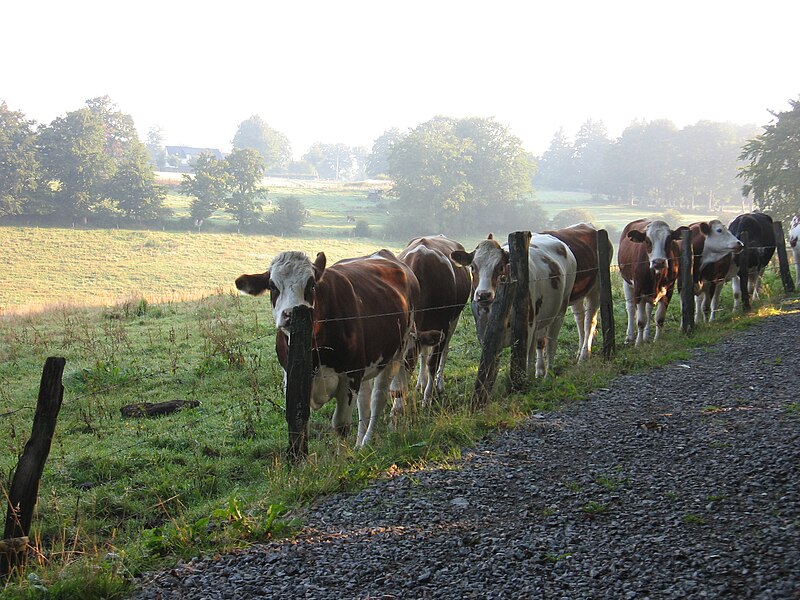
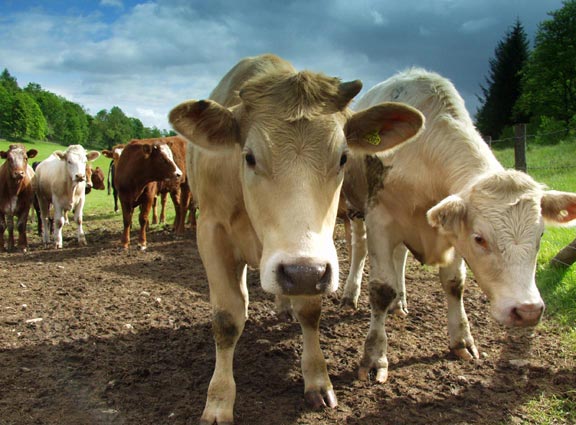
Till the cows come home
An action that will continue
interminably, or for a very long time indeed. There are many suggested
origins for this phrase, but one thing is implied to be evident - that
cows prefer to be grazing in the fields to being anywhere else!
"David's such a geek, he can talk about online gaming tactics till the cows come home."
Donkey's years (mainly British)
A
long period of time. Apparently the origin of the phrase has nothing to
do with the years of donkeys (as it would seem to imply that they live a
long time), but originated in British rhyming slang, probably that of London which is known as "Cockney rhyming slang"-
where the term "Donkey's ears", was used as a punning way to say "many
years" due to the fact that the ears of a donkey were long. To some
native speakers, "years "and "ears" sound almost identical, so this term easily became corrupted into its current form.
"I haven't spoken to cousin Fred for donkey's years."
Stool Pigeon (mainly U.S.)
 A
person acting as a spy, informer, or decoy, especially in the context
of infiltrating criminal gangs by law enforcement agencies. It can also
be used in informal English to refer to anyone who tells group secrets
to an outsider, and is therefore seen as a "snitch" or "telltale". This
phrase may come from an old hunting practice which apparently once
existed, of tying a captive pigeon to a stool to distract other pigeons
into coming closer so they could be more easily shot.
A
person acting as a spy, informer, or decoy, especially in the context
of infiltrating criminal gangs by law enforcement agencies. It can also
be used in informal English to refer to anyone who tells group secrets
to an outsider, and is therefore seen as a "snitch" or "telltale". This
phrase may come from an old hunting practice which apparently once
existed, of tying a captive pigeon to a stool to distract other pigeons
into coming closer so they could be more easily shot.
Busy as a bee
Hardworking
or very active (perhaps even hyperactive) in any pursuit. This phrase
presumably comes from the perception of bees as hard working creatures
who take little rest.
"Old Mrs Hubbard was always as busy as a bee
doing things for other people, but she kept giving away too much of
what she had, so her cupboard was often bare."
Guinea pig
 In
addition to referring to the animal which is commonly kept as a pet in
English speaking countries, (also known as a Cavy in English) the term
"Guinea pig" figuratively means anything which is the subject of an
experiment or test. This usage comes from the popularity of this animal
in laboratories as a scientific model for various diseases and various
types of animal experimentation.
In
addition to referring to the animal which is commonly kept as a pet in
English speaking countries, (also known as a Cavy in English) the term
"Guinea pig" figuratively means anything which is the subject of an
experiment or test. This usage comes from the popularity of this animal
in laboratories as a scientific model for various diseases and various
types of animal experimentation.
"Susan did not like her department being a
guinea pig for the new policy of giving an official reprimand to workers
who were more than five minutes late without a doctor's note."
Rat race
This
is any pursuit or activity seen as being pointless, a waste of energy,
and generally self defeating. It is particularly used, however, to refer
disparagingly to the standard "Western" lifestyle of working hard at a
regular job and paying bills, having a mortgage and various
responsibilities, etc, particularly in the context of being overworked
at a job that is not seen as fulfilling. Like the last phrase, it
probably comes from the use of animals (in this case rats) in the
laboratory, particularly in the context of rats running on treadmills,
or around a maze that they cannot easily find their way out of.
"We
opted out of the rat race when we moved out of town and bought a small
farm; now we grow most of our own food and sell the surplus at market."
Might as well be hung/hanged for a sheep as a lamb
This
phrase signifies a belief that if a person is to commit a crime or
social transgression, there is a similar risk of bad consequences to
themselves should they commit a more serious one - but with a
potentially greater reward. Therefore, there is little purpose in only
committing the smaller transgression. This phrase probably memorializes
the times when punishments for taking personal property (including
livestock) were extremely severe, and the theft of a single sheep (or
lamb) for food or profit could result in a person being hanged if
convicted. This term is nowadays more often used as a dramatic way to
refer to minor social transgressions, rather than crimes.
"Well I
already told him I didn't support his team, so when he started looking
aggrieved with me I told him I was a supporter of their worst rivals.
You might as well be hung for a sheep as a lamb!"
When the cat's away (the mice will play)
When
a controlling or authority figure is absent, people will do as they
please, not as they ought to be doing (and would do when under close
supervision).
"The children had almost wrecked the classroom by
the time their teacher got back from answering the call, but when the
cat's away, the mice will play!"
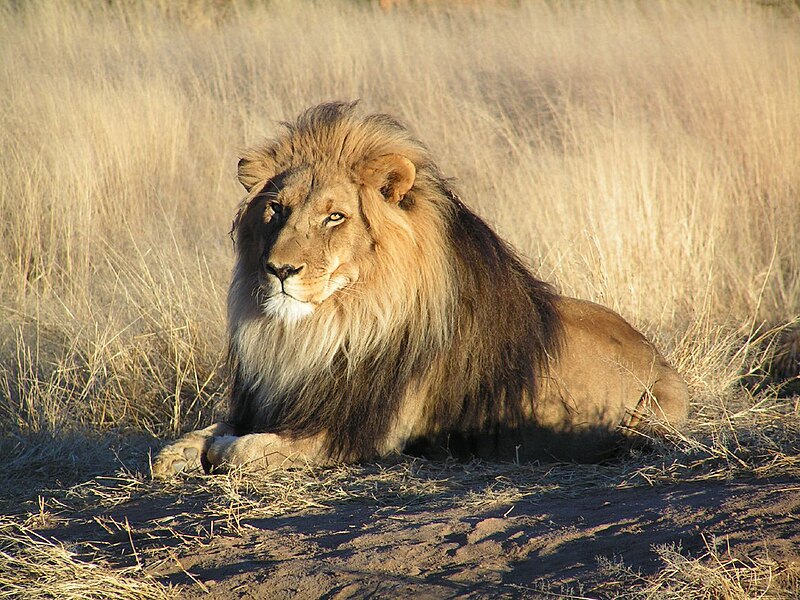
The Lion's Share
The
major part of something, particularly a disproportionately or unfairly
large part. We can presume that in any division of food in the animal
kingdom, the lion will take what it wants, and take it first, and this
is presumably the origin of the phrase!
"It is usual for the vocalist in a musical group to get the lion's share of the attention."

Até que as vacas voltem para casa
Uma ação que continuará interminavelmente, ou por muito tempo de fato. Há muitas origens sugeridas para essa frase, mas uma coisa é evidente - que as vacas preferem estar se alimentando nos campos do que em qualquer outro lugar!
Uma ação que continuará interminavelmente, ou por muito tempo de fato. Há muitas origens sugeridas para essa frase, mas uma coisa é evidente - que as vacas preferem estar se alimentando nos campos do que em qualquer outro lugar!
"David é tão geek, ele pode falar sobre táticas de jogos online até que as vacas voltem para casa."
Os anos de burro (principalmente britânico)
Um período longo. Ao que parece a origem da frase não tem nada a ver com os anos de burros (como parece que eles vivem um longo tempo), mas originado na gíria rimada britânica, provavelmente aquela de Londres que é conhecida como "gírias rimadas cockneys" - onde o termo "as orelhas de Burro", foi usado como um trocadilhos para "muitos anos" devido às orelhas de um burro serem longas. A alguns falantes nativos, "anos" e "orelhas" (years e ears) soam quase idênticos, portanto este termo facilmente ficou corrupto na sua forma atual.
Os anos de burro (principalmente britânico)
Um período longo. Ao que parece a origem da frase não tem nada a ver com os anos de burros (como parece que eles vivem um longo tempo), mas originado na gíria rimada britânica, provavelmente aquela de Londres que é conhecida como "gírias rimadas cockneys" - onde o termo "as orelhas de Burro", foi usado como um trocadilhos para "muitos anos" devido às orelhas de um burro serem longas. A alguns falantes nativos, "anos" e "orelhas" (years e ears) soam quase idênticos, portanto este termo facilmente ficou corrupto na sua forma atual.
 "Não falei ao primo Fred por anos de burro."
Pombo de Assento (principalmente nos Estados Unidos)
Uma pessoa que atua como um espião, informante, ou chamariz, especialmente no contexto de infiltrar bandos criminais por agências de segurança. Também pode ser usado em inglês informal para referir-se a alguém que conta segredos do grupo a um intruso. Esta frase pode vir de uma velha prática de caça que ao que parece uma vez existiu, do enlaçamento de um pombo a um assento para distrair outros pombos para virem mais perto portanto eles podem ser mais facilmente pegos.
Ocupado como uma abelha
Aplicado ou muito ativo (possivelmente até hiperativo) em qualquer afazer. Esta frase presumivelmente vem da percepção de abelhas como criaturas muito trabalhadoras que descançam pouco.
"Velha sra. Hubbard esteve
sempre ocupadíssima fazendo coisas para os outros, mas ela continuou
dando o que tinha, portanto a seu armário fica muitas vezes vazios."
Porquinho da Índia
Além da referência ao animal que é comumente tido como um animal de estimação em países da língua inglesa, (também conhecido como um Cavy em inglês) o termo "porco de Guiné" figurativamente significa algo que é o sujeito de um experimento ou teste. Este uso vem da popularidade deste animal em laboratórios como um modelo científico de várias doenças e vários tipos da experimentação em animais.
Porquinho da Índia
Além da referência ao animal que é comumente tido como um animal de estimação em países da língua inglesa, (também conhecido como um Cavy em inglês) o termo "porco de Guiné" figurativamente significa algo que é o sujeito de um experimento ou teste. Este uso vem da popularidade deste animal em laboratórios como um modelo científico de várias doenças e vários tipos da experimentação em animais.
"Susan não gostou do
seu departamento, sendo um porquinho da índia da nova apólice de dar uma
reprimenda oficial a funcionários que chegaram mais de cinco minutos
tarde sem a nota de um doutor."
Corrida de rato
Trata-se de qualquer perseguição ou atividade vista como sendo sem objetivo, gasto de energia, e geralmente contraprodutivo. É usado, contudo, para referir-se afrontosamente ao estilo de vida "Ocidental" padrão de trabalhar muito em um emprego regular e pagar contas, ter uma hipoteca e várias responsabilidades, etc., em particular no contexto de trabalhar demais em um emprego que não é visto como grande realização. Como a frase anterior, ele provavelmente vem do uso de animais (neste caso ratos) no laboratório, em particular no contexto de ratos que correm em suas rodas, ou em volta de um labirinto no qual eles não podem encontrar facilmente o seu caminho.
Corrida de rato
Trata-se de qualquer perseguição ou atividade vista como sendo sem objetivo, gasto de energia, e geralmente contraprodutivo. É usado, contudo, para referir-se afrontosamente ao estilo de vida "Ocidental" padrão de trabalhar muito em um emprego regular e pagar contas, ter uma hipoteca e várias responsabilidades, etc., em particular no contexto de trabalhar demais em um emprego que não é visto como grande realização. Como a frase anterior, ele provavelmente vem do uso de animais (neste caso ratos) no laboratório, em particular no contexto de ratos que correm em suas rodas, ou em volta de um labirinto no qual eles não podem encontrar facilmente o seu caminho.
"Optamos por não participar da corrida
de rato quando nos mudamos da cidade e compramos uma pequena fazenda;
agora cultivamos a maior parte da nossa própria comida e vendemos o
excesso no mercado."
Poderia ser enforcado por uma ovelha assim como por um cordeiro
Esta frase significa uma crença que se uma pessoa deve cometer um crime ou transgressão social, há um risco semelhante de más conseqüências se eles cometerem um mais sério - mas com uma recompensa potencialmente maior. Por isso, há pouco objetivo em cometer só uma pequena transgressão. Esta frase provavelmente comemora os tempos quando as punições para pegar propriedade pessoal (inclusive o gado) eram extremamente severas, e o roubo de uma ovelha única (ou cordeiro) para a comida ou o lucro pode resultar em enforcamento se condenado. Este termo muitas vezes é atualmente usado como um modo dramático de referir-se a transgressões sociais menores, e não crimes.
Poderia ser enforcado por uma ovelha assim como por um cordeiro
Esta frase significa uma crença que se uma pessoa deve cometer um crime ou transgressão social, há um risco semelhante de más conseqüências se eles cometerem um mais sério - mas com uma recompensa potencialmente maior. Por isso, há pouco objetivo em cometer só uma pequena transgressão. Esta frase provavelmente comemora os tempos quando as punições para pegar propriedade pessoal (inclusive o gado) eram extremamente severas, e o roubo de uma ovelha única (ou cordeiro) para a comida ou o lucro pode resultar em enforcamento se condenado. Este termo muitas vezes é atualmente usado como um modo dramático de referir-se a transgressões sociais menores, e não crimes.
"Bem eu já lhe disse que não
apoiei a sua equipe, assim quando ele começou a parecer chateado comigo
eu disse-lhe que fui sustentador dos seus rivais piores. Você poderia
ser enforcado por uma ovelha assim como por um cordeiro!"
Quando o gato está longe (os ratos brincarão)
Quando a figura de autoridade ou de controle está ausente, as pessoas farão o que quizerem, não como eles deveriam estar fazendo (e faria quando na supervisão fechada).
Quando o gato está longe (os ratos brincarão)
Quando a figura de autoridade ou de controle está ausente, as pessoas farão o que quizerem, não como eles deveriam estar fazendo (e faria quando na supervisão fechada).
 "As crianças tinham bagunçado quase a sala
de aula toda quando o seu professor terminou de responder a chamada, mas
quando o gato está longe, os ratos brincarão!"
"As crianças tinham bagunçado quase a sala
de aula toda quando o seu professor terminou de responder a chamada, mas
quando o gato está longe, os ratos brincarão!"A Parte do Leão
A parte principal de algo, em particular uma parte desproporcionalmente ou incorretamente grande. Podemos supor que em qualquer divisão da comida na monarquia dos animais, o leão tomará o que ele quer, e tomá-lo primeiro, e isto é presumivelmente a origem da frase!
"É normal para o vocalista em um grupo musical tornar-se a parte do leão da atenção."