Mostrando postagens com marcador Misc. Mostrar todas as postagens

sexta-feira, 10 de janeiro de 2014

The Leaf - Chapter 2 / A Folha - Capítulo 2


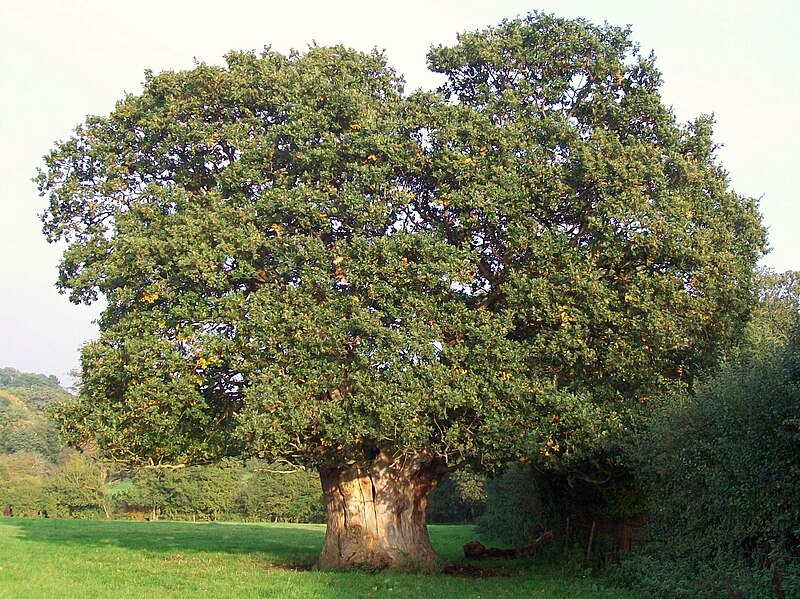
And a time came at last when the days grew shorter and colder, and the winds blew strong from the north. And the rain was steady and sullen, and the sun hid himself behind the clouds so that the days grew grey and dreary as the nights were damp and chill. And the leaves at this time began to feel tired and sickly, and noticed how their soft skins were wrinkling up, and going dry and hard at the edges. And patches of colour began to appear on them, strange new browns and reds and yellows spreading out and covering where once had been green. And where these patches spread, the leaves felt even tireder and sicker than before. Yet still there were moments when the sun broke through and bathed them in warmth, though cooler than before, and the fresh dews both of morning and evening felt cool and clean upon them, so they were not always in sadness. But there was always a strange feeling in the air come rain or shine, sharp as the icy winds and heavy as the thick mists of morning and evening, and this feeling grew stronger as the days grew shorter, and pressed close around with the dimming of the light. And all the leaves upon the old oak tree felt this feeling; and that it made their joys seem duller than before and their sorrows sharper than they had been, and they wondered at this.

And one leaf among them felt all the same tiredness and sorrows as the others, but none of the same joys, for she could feel none while she was still waiting for her change to come. But when one day dawned grey and cold, she knew that she had not waited in vain. For low down on her tip had grown a tiny patch of redness, just the shade of the leaves on the nearby tree that she had watched for so long. And she said to herself, “This is very good, but still I cannot be happy. For those I admire are this same colour all over. I will not be truly like them until I am like this all the way from stalk to tip, so that when the sun shines bright through me I glow like a jet of fire.” And she took to watching herself, and the slow spreading of her beautiful new colour across her skin, until she noticed nothing else, neither the other leaves around her, nor the rain and shine, nor the passing of the days and nights. But still she was not happy, for she had no good of the world around her, and felt only longing for what was to come. She spent her days gazing down at herself to watch for the change, and her nights dreaming that it might come faster.

The other leaves around had long ago given up speaking to her, and learned to leave her alone, saying “Let her be like that, then, and hold herself apart if she wishes. We have other things to attend to, and besides this are changing colour ourselves.”

And if Old Father Tree ever spoke to her again, she paid him no heed, for she only thought of how one day she should prove him wrong. So the days passed, and the great world went on in its way around her, and she knew nothing of it. She only knew that she felt herself turning inwards and growing drier and colder, even as the strange new colour spread across her and blotted out what had been before.

One morning she awoke feeling tired as she never had before, and said to herself, “When, oh when will this dreadful waiting be at an end? I seem to have been forever waiting for the tiniest of patches just by my stalk to change so that I can become quite complete, and still it remains a nasty, sickly, yellow-green. It seems to be doing this just to spite me when I have been so near for so long, but perhaps today will be different. I have never felt so tired and hopeless before, and really do not know if I can wait any longer.” But even as she said these words she knew that her waiting was at an end. For the tiny patch near her stem, which had been prickling her and wrinkling with pain this last week, now felt quite dry and cool. And the stem that had joined her so tightly to the old tree now felt somehow light and fragile, as though she could break off and float away with the wind at any moment. And from tip to stem she was now the purest and most delicate shade of red, with not a trace of green in it anywhere.


E o tempo no qual os dias são mais curtos e frios chegou finalmente, e o vento soprou forte vindo do norte. E a chuva caia continuamente e com mal-humor, e o sol se escondeu atrás das núveis fazendo com que os dias se tornassem acinzentados e medonhos assim como as noites eram húmidas e frias. E as folhas nesse tempo começaram a se sentir cansadas e adoentadas, e notaram como suas peles suaves estavam ficando enrugadas, e secas e duras nas pontas. E pedaços de cores começaram a aparecer nelas, estranhos marrons e vermelhos e amarelhos se espalhando e cobrindo onde era verde. E onde esses pedaços se espalhavam, as folhas se sentiam ainda mais cansadas e doentes do que antes. Mesmo assim, havia momentos no qual o sol aparecia e as banhava com seu calor, embora mais fraco que antes, e o orvalho fresco da manhã e da tarde caia fresco e limpo nelas, então não estavam sempre tristes. Mas sempre havia um sentimento estranho no ar, com chuva ou brilho do sol, afiado como os ventos gelados e pesado como as névoas grossas da manhã e da tarde, e esse sentimento ficou mais forte cada vez que os dias ficavam mais curtos, e chegava mais perto com o ofuscar das luzes. E todas as folhas do velho carvalho sentiram isso, e suas alegrias ficaram mais apagadas do que antes e suas tristezas mais agudas do que eram, e elas pensaram sobre isso.

E uma folha dentre elas sentiu o mesmo cansaço e tristeza que as outras, mas nenhuma das mesmas alegrias, pois ela não poderia enquanto ainda esperava pela sua mudança. Mas quando um dia amanheceu, cinza e frio, ela sabia que não tinha esperado em vão. Isso porque lá embaixo em sua ponta tinha nascido um pedaço avermelhado, no mesmo tom do das folhas da árvore ao lado que ela tando observou. E ela disse para si mesma:
- Isso é muito bom, mas ainda não posso ficar alegre. As que eu admiro são dessa cor em toda parte. Eu não serei como elas até que fique daquele jeito da ponta até o caule, para que quando o sol brilhar luzente em mim eu tereu o lume de jatos de fogo.

E ela passou a se observar, e sua nova e bela cor se espalhou devagar até que ela não notou mais nada, nem as folhas ao seu redor, nem a chuva e o brilho, nem o passar dos dias e das noites. Mas ainda ela não estava feliz, porque nada tinha da bondade do mundo ao seu redor, e somente sentia ânsia pelo que iria ocorrer. Ela passou seus dias olhando para si para notar as mudanças, e suas noites sonhando que tais mudanças viessem mais rápido.

As outras folhas ao seu redor desistiram de falar com ela a muito tempo e aprenderam a deixa-lá sozinha, dizendo:
- Deixe-a ser assim, então, e se manter aparte se assim deseja. Nós temos outras coisas para fazer e além disso estamos mudando de cor também.

E se o velho pai árvore falava com ela, nenhuma atenção o foi dada, pois ela só pensava no dia em que provaria que ele estava errado. Então os dias se passaram, e o mundo tomou seu rumo ao redor dela, e ela nada sabia a respeito disso. Ela só sabia que sentia-se mudando por dentro e ficando mais seca e fria, mesmo com a nova cor se espalhando e apagando o que havia antes.

Numa manhã ela se acordou sentindo-se mais cansada do que nunca, e disse a si mesma:
- Quando, oh quando essa terrível espera terá fim? Parece que estou esperando desde sempre pela mudança no pedaço minúsculo em minha ponta para que eu me torne completamente, e mesmo assim permanece num verde doentio e feio. Parece que está fazendo isso só de malvadeza quando estava tão perto por tanto tempo, mas talvez hoje será diferente. Eu nunca me senti tão cansada e sem esperaça, e não sei se consigo esperar mais.

Mas mesmo quando dizia isso, ela sabia que sua espera estava chegando ao fim. Isso porque o pequeno pedaço em sua ponta que estava a perfurando e enrugando com muita dor, agora parecia seco e frio. E o caule que a prendia tão rigidamente à velha árvore agora parecia leve e frágil, como se ela podesse se quebrar e flutuar com o vento a qualquer momento. E da ponta ao caule ela estava agora num tom puro e delicado de vermelho, sem nenhum traço de verde em qualquer lugar.

Credits: story by Hrothgar and translation by Livia.

quinta-feira, 9 de janeiro de 2014

The Leaf - Chapter 1 / A Folha - Capítulo 1

The Leaf


There was once a fine old oak tree that stood on the edge of a park. It was spring, and the leaves, which had just come out of their buds after the long cold winter, were bursting with life and freshness, and the joys of spring. But one leaf on this tree was not happy like the others. For beside the old oak tree was a small tree with leaves that were a beautiful coppery red which turned into pink jets of flame when the sun shone through them, quite unlike the green of the other trees in the park. The people who walked through often stopped to admire this tree for the colour of the leaves, and paid scant attention to the old oak tree, except to rest in its shade and sometimes to carve their names in the thick old trunk. The leaf thought the leaves on the other tree were far more beautiful and splendid than those around her, and spent many hours gazing longingly at them, wishing she could be the same colour.

One day Old Father Tree noticed how she gazed upon the other tree, and said to her, “Why be so jealous? You are one of many healthy young leaves on the finest and strongest tree in this park. True, the leaves on the other tree are very rare and beautiful, but they are just leaves the same as you. Here you have a fine big family, and many others just like yourself to play with and talk to. Will this not make you happy?”

The leaf trembled at these words, for it was the first time Old Father Tree had spoken to her. But she replied “There are many leaves on this tree, but they all look the same as myself, and no-one notices me or them, for we are just green leaves like any other. But if I was pink like the leaves over there, I would stand out from those around me, and maybe when people looked up they would admire me from among all the other leaves, as they admire that tree from all the trees in the park.”

The old tree sighed at this, and said in sorrow, “Perhaps one day you will be the same colour as the leaves you so admire. But if that day comes, I can tell you now that it will not bring you the happiness you expect.”

At this the leaf smiled secretly to herself, for she was sure that the old tree was wrong. But she said not another word.


And the days and weeks passed, and still the leaf was not happy like the others around her. And when they danced in the breeze, she did not dance with them, but kept herself quite still and stiff. And when they rustled lovingly together and whispered to one another, she did not rustle with them, but held herself apart. And when the cool fresh rain fell, she hid beneath a branch, and did not bathe in it. And when they spread themselves out beneath the warmth of the sun, she still felt cold, and had no joy of it. For, she thought, these things are all very well, but I am still the same old green. Until I am pink as I wish to be I can never have any joy of them.

A Folha


Havia uma vez um carvalho belo e antigo que ficava no canto de um parque. Era primavera, e as folhas, que acabaram de sair de seus botões depois de um inverno frio e longo, estavam estourando com vida e frescor e as alegrias da primavera. Mas uma folha nessa árvore não estava feliz como as outras. Isso porque do lado do carvalho tinha uma pequena árvore com folhas vermelho-acobreadas que se transformavam em jatos de fogo rosados quando o sol brilhava nelas, bem distintamente do verde das outras árvores do parque. As pessoas que andavam pelo parque frequentemente paravam para admirar essa árvore por causa da cor de suas folhas, e prestavam pouca atenção ao velho carvalho, exceto para descansar em sua sombra ou talhar seus nomes em seu grosso tronco. A folha achou que as folhas na outra árvore eram muito mais lindas e esplêndidas do que as localizadas ao seu redor, e passava muitas horas olhando para elas com ânsia, desejando que fosse da mesma cor.

Um dia o velho pai árvore notou como ela olhava para a outra árvore e disse para ela:

- Por que tão invejosa? Você é uma dentre um monte de folhas jovens e saudáveis na mais bela e forte árvore nesse parque. É verdade que as folhas na outra árvore são muito raras e lindas, mas são somente folhas, igual a você. Aqui você tem uma bela e grande família, e muitos outros iguais a você para brincar e conversar. Isso não te faz feliz?


A folha tremeu ao ouvir essas palavras, pois foi a primeira vez que o velho pai árvore falou com ela. Mas ela respondeu:
- Tem muitas folhas nessa árvore, mas todas parecem comigo, e ninguém nos percebe, eis que somos apenas folhas verdes como todas as outras. Mas se eu fosse rosa como as folhas dali, eu iria aparecer mais que as folhas ao redor de mim, e talvez quando as pessoas olhassem para cima elas iriam me admirar mais do que as outras, porque admiram aquela árvore dentre todas as outras do parque.

O velho pai árvore suspirou ao ouvir isso e disse com tristeza:
- Talves um dia você será da mesma cor das folhas que você admira tanto. Mas se esse dia chegar, eu posso te dizer agora que você não sentirá a felicidade que espera.

Isso fez com que a folha sorrisse secretamente para si, porque estava certa que o velho pai árvore estava errado. Mas não disse mais nada.

E os dias e as semanas se passaram, e ainda a folha não estava feliz como as outras ao seu redor. E quando elas dançavam na briza, ela não dançava com elas, mas se mantinha bem firme e parada. E quando elas encostavam umas nas outras com amor e sussurravam entre elas, ela não fazia o mesmo e se mantinha sozinha. E quando a chuva fresca caiu, ela se escondeu em baixo de um galho e não se banhou. E quando elas se espalharam em baixo do sol morno ela ainda sentia frio e não sentia qualquer alegria. Isso porque, ela pensou, essas coisas são boas, mas eu continuo verde do mesmo jeito. Até que ficasse rosa como queria, nunca seria feliz.
Credits: story by Hrothgar and translation into Portuguese by Livia.

domingo, 5 de janeiro de 2014

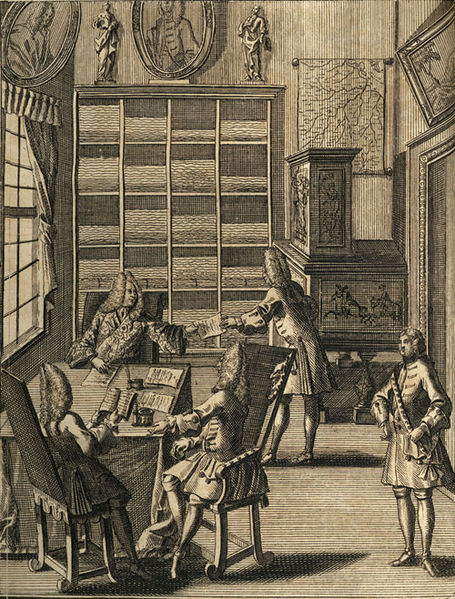
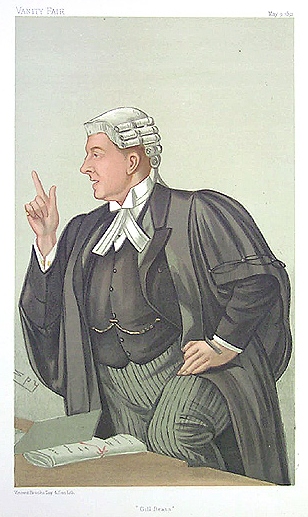
Legislação e Advogados no Reino Unido e no Brasil: Uma Curta Comparação / Law and Lawyers in the UK and in Brazil: A Short Comparison


De acordo com a Wikipedia, advogado é:

um profissional liberal, bacharel em Direito e autorizado pelas instituições competentes de cada país a exercer o jus postulandi, ou seja, a representação dos legítimos interesses das pessoas físicas ou jurídicas em juízo ou fora dele, quer entre si, quer ante o Estado.
 Aqui no brasil, para obter um diploma de bacharel em direito é necessário concluir o curso na universidade de 5 anos de duração. Contudo, isso não é suficiente para se tornar um advogado. Para isso, é necessário que se passe no Exame da Ordem dos Advogados. Tal exame é constituído por duas fases: a primeira trata-se de um exame de múltipla escolha a respeito de praticamente todo o conteúdo do curso de bacharelado em direito. Caso passe nesse, vem a segunda fase que consiste na escrita de uma peça advocatícia e resolução de 4 questões discursivas.
Como o Direito é um assunto vasto, é recomendado que se especialize no campo que mais lhe interessa. Entretanto, é fácil achar profissionais que alegam que sabem atuar em diversas áreas. É prudente duvidar da qualidade do trabalho destes, e o custo que antes parecia mais em conta pode até duplicar na busca de remédios contra "acidentes" de percurso.
De qualquer forma, o advogado brasileiro escreve petições e faz defesas orais nas esferas administrativa e jurídica, assim como assessoria e consultoria para seus clientes. Diferentemente do sistema brasileiro, na Inglaterra existem dois tipos de advogados: os solicitadores e os barristers. De acordo com a Universidade Queen Mary de Londres:

Solicitadores prestam serviços jurídicos diretamente aos clientes. Os clientes podem ser indivíduos, empresas, órgãos públicos e outras organizações. O advogado aconselha a respeito das medidas legais necessárias para prosseguir e faz o gerenciamento do caso, além de lidar com o cliente até que o caso tenha sido concluído. Há momentos em que um solicitador irá instruir um barrister, nos casos em que uma opinião especializada é necessária ou quando a defesa é necessária. Depois de completar o LLB (bacharelado em direito), uma pessoa que quer se tornar um solicitador vai precisar concluir o LPC (Curso de Prática Jurídica) durante um ano, em tempo integral. Graduados de outros cursos (que não o Direito) terão que completar um curso de conversão (Diploma de Pós-Graduação em Direito) antes de iniciar o LPC. Uma vez  concluído o LPC, o próximo estágio é um contrato de formação de dois anos com uma sociedade de advogados. (...)
 Um barrister trabalha principalmente em juízo ou tribunais, argumentando a respeito de casos em nome de clientes. Um barrister requer habilidades especiais em pesquisa e análise para identificar as questões-chave de cada caso, falar com confiança e pensar rapidamente e de fazer gestão de tempo para administrar a sua carga de trabalho. A profissão também é extremamente competitiva, e dessa forma motivação é essencial.

A maioria dos barristers são autônomos. Uma minoria são empregadas em casa para empresas, órgãos públicos ou escritórios de advocacia. Os barristers trabalham em grupos chamados "sets", e compartilham instalações (câmaras) e gestores de prática . Um barrister não trabalha para o 'set' - eles só trabalham para eles como um "inquilino". Eles contribuem para a manutenção das câmaras e dão uma porcentagem de seus ganhos para os funcionários e administradores. Isso significa que a maioria dos advogados não recebem subsídio de férias, subsídio de doença, maternidade ou outros direitos trabalhistas. Depois de completar o LLB (curso de bacharelado em Direito), uma pessoa que quer se tornar um barrister vai precisar concluir o BPTC (Curso de Formação Profissional do Bar) durante um ano (tempo integral). Graduados em outros cursos terão de completar um curso de conversão (Diploma de Pós-Graduação em Direito ) antes de iniciar o BPTC. No final do BPTC é necessário procurar um muito visado 'pupillage' com um conjunto de câmaras . No final da 'pupillage', cumpre encontrar um "set" que ele ou ela quer se juntar como um inquilino. (...)

Vale a pena mencionar, porém, que não é assim em todo o Reino Unido - este é dividido em três jurisdições distintas: Legislação Inglesa na Inglaterra e País de Gales, Legislação da Irlanda do Norte; e a legislação da Escócia. O sistema jurídico escocês é híbrido, porque combina elementos da tradição do "common law" com elementos do direito romano, trazidos por influências holandesas e francesas. E, por sua vez, a Irlanda do Norte tem uma jurisdição de "common law" semelhante à da Inglaterra e País de Gales, embora contenha diferenças relevantes na lei e no processo legal.


According to the dictionary a Lawyer is:
a person whose profession is to represent clients in a court of law or to advise or act for clients in other legal matters.
Here in Brazil you go to university for five years to get a Bachelor's degree in law. This alone doesn't make you a lawyer though. It is also required that you pass a two phased exam coordinated by the Brazilian Order of Lawyers to become one. The first phase is a multiple choice exam with 80 questions about pretty much all the subjects you learned in your 5-year course. This includes philosophy, labor law, tax law, environment law, criminal law, civil law and so on. Then if you pass this, you can sit the second phase, which is the written part of the exam. On it, you have to answer 4 questions and write a petition.
Since law is such a vast subject, it's highly advisable to choose the field you sympathise with the most and specialize in it. However, if you look around you'll see plenty of lawyers who claim they can aid you in many different areas. I doubt you'll get your money's worth back from them. Or even worse, you might have to spend twice as much in order to rectify "accidents" caused by deficient knowledge.
Anyway, a Brazilian lawyer writes petitions and conducts oral defenses in the administrative and the judicial sectors, and also gives counsel to those in need of legal advice. Unlike the Brazilian system, England has two types of lawyers: solicitors and barristers. According to the Queen Mary University of London:

Solicitors provide legal services directly to the client. Clients can be individuals, businesses, public bodies and other organisations. The solicitor advises on the legal steps needed to proceed and will manage the case and deal with the client until the case has been concluded. There are times when a solicitor will instruct a barrister i.e. if a specialist opinion is required or when advocacy is needed. After completing the LLB, a person wanting to become a solicitor will need to complete the LPC (Legal Practice Course) for one year full-time. Non-law graduates will need to complete a conversion course (Graduate Diploma in Law) before commencing the LPC. Once the LPC has been completed, the next stage is a two-year training contract with a firm of solicitors. (...)
 
A barrister works primarily in court or tribunals, arguing cases on behalf of clients.  A barrister requires special skills in research and analysis to spot key issues, advocacy to speak confidently and think on your feet and time management to manage your caseload.  The profession is also extremely competitive, so very high motivation is essential.
Most barristers are self-employed. A minority are employed in-house by companies, public bodies or law firms. Barristers work in groups called 'sets', sharing premises (chambers) and practice managers. A barrister does not work for the 'set' they just work at them as a 'tenant'. They contribute to the upkeep of the chambers and give a percentage of their earnings to the clerks and administrators. This means most barristers do not receive holiday pay, sick pay, maternity leave or other employment rights. After completing the LLB, a person wanting to become a barrister will need to complete the BPTC (Bar Professional Training Course) for one year (full-time). Non-law graduates will need to complete a conversion course (Graduate Diploma in Law) before commencing the BPTC. At the end of the BPTC a person then has to seek out a much sought after 'pupillage' with a set of chambers. At the end of the pupillage, a person then needs to find a set that he or she wants to join as a tenant.
The Bar's professional body is the Bar Council and it is regulated by the Bar Standards Board.

It's worthwhile to mention, though, that this is not the same in all of the United Kingdom; the aforementioned country is divided into three distinct legal jurisdictions: English law in England and Wales; Northern Ireland law in Northern Ireland; Scots law in Scotland. The Scottish legal system is a hybrid, because it combines elements of the common law tradition with elements of Roman law, brought by Dutch and French legal influences. Also, Northern Ireland has a common law jurisdiction, similar to that in England and Wales, although there are relevant differences in law and procedure between Northern Ireland and England and Wales.

sexta-feira, 27 de dezembro de 2013

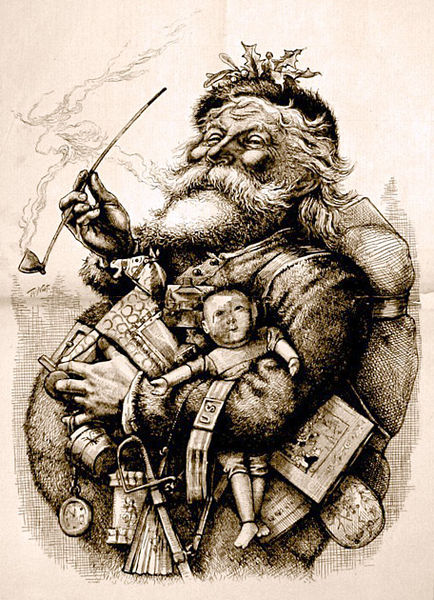
Uma Canção de Natal / A Christmas Song

 Quando o Natal volta


As lojas e ruas são cheias 
De todos os tipos de ânimo
E tocando canções festivas
     Para alegrar o ouvido; 
Enquanto por trás em salas escuras
Figuras impiedosas calculam
Se todas as vendas do Natal
     Vão adquirir o lucro anual.


Ho ho, ho ho,
Para o Natal nós vamos
     O presente de cada estação
     Irá alegrar o coração
O qual sentirá o festivo lume!
  
E esse não é o tempo
Para desolações ou brigas,
Porque os que a vida separou
     Se juntam agora; 
Por terem dado presentes com amor
Velhas aflições vão descansar
E o verdadeiro perdão é dado
     Dependendo de quanto foi pago.


Ho ho, ho ho,
Para o Natal nós vamos
     O presente de cada estação
     Irá alegrar o coração
O qual sentirá o festivo lume.

 
E mães na cosinha fervem
Cheias de stress por dentro
Por causa de pais assistindo TV
     Com sorrisos causados por torta embriagues;
E no fundo de embrulhos espalhados
crianças esquecidas brincam,
E toda a familia sabe!
     Esse é seu dia especial!

Ho ho, ho ho,
Para o Natal nós vamos
     O presente de cada estação
     Irá alegrar o coração
O qual sentirá o festivo lume!

E pequenas crianças emploram
Por presentes que Papai Noel envia,
E quando o Papai deles chega
     Eles mostram para os amigos;
E se o Papai deles é rico
Eles lutam para ganhar aquele jogo,
E se o Papai deles é pobre
     Eles abaixam a cabeça por causa da vergonha.

Ho ho, ho ho,
Para o Natal nós vamos
     O presente de cada estação
     Irá alegrar o coração
O qual sentirá o festivo lume!

E veja a mesa posta
Com aquele banquete delicioso:
Você deve a si mesmo
     Então venha! sente-se e coma;
E quando a estação muda
Resta cuidar de sua saúde,
Uma penca de pele para perder
     Você deve a si mesmo!

Ho ho, ho ho,
Para o Natal nós vamos
     O presente de cada estação
     Irá alegrar o coração
O qual sentirá o festivo lume!

E quando as festas começam

Além da cidade escurecida,
As visitas não convidadas
     Vão estar sozinhos;
E quandos os fógos estalarem
Seus únicos recursos são

Abrir outra cerveja,
     E fitar o abismo.

Ho ho, ho ho,
Para o Natal nós vamos
     O presente de cada estação
     Irá alegrar o coração
O qual sentirá o festivo lume.

E se você fechar seus ouvidos

Para o suspiro de cada estação
E ficar acima de tudo
     Para terminar com excitação;
Embaixo do outro lado

Está um atoleiro rotineiro de dor
Para atravesar o ano inteiro
     Até a volta do Natal!

Ho ho, ho ho,
Para o Natal nós vamos
     O presente de cada estação
     Irá alegrar o coração
O qual sentirá o festivo lume!

Esse regozijo forçado trás
Nenhum final às lágrimas humanas
E nenhum cininho novo toca
     Suas mudanças anos a fora;
E suas canções de Natal tocam
Por sua triste parada
É a esperança de que aconteçam coisas melhores
     Do que nesse mundo nós fizemos.

Ho ho, hoho,
Do Natal para frente nós vamos
     O presente de cada estação
     O coração é rápido
Em perder o festivo lume!


When Christmas comes again


The streets and stores are filled
With every kind of cheer,
And playing festive songs
     To Jollify the Ear;
While back in darkened rooms
Grim figures calculate
If all the Christmas trade
     Will earn the year's rebate.


Ho ho, ho ho,
To Christmas on we go-
     Each season's gift
     Hearts must uplift
And feel the festive glow!


And this is not a time
For heartbreak or to row,
As those Life tore apart
     Come all together now;
By giving gifts in love
Old griefs to rest are laid,
And true forgiveness goes
     By just how much was paid.


Ho ho, ho ho,
To Christmas on we go-
     Each season's gift
     Hearts must uplift
And feel the festive glow!


And kitchen mothers seethe,
Pent up inside with stress,
At TV dads who grin
     Lopsided drunkenness;
And deep in scattered wraps
Forgotten children play,
And all the family knows
     This is their special day!


Ho ho, ho ho,
To Christmas on we go-
     Each season's gift
     Hearts must uplift
And feel the festive glow!


And little children plead
For gifts that Santa sends,
And when their Santa comes
     They show them to their friends;
And if their Santa's rich
They fight to win that game,
And if their Santa's poor
     They hang their heads in shame.


Ho ho, ho ho,
To Christmas on we go-
     Each season's gift
     Hearts must uplift
And feel the festive glow!


And see the table laid
With that delicious feast:
You owe it to yourself,
     So come on! sit and eat;
And when the season turns
You're left to rue your health,
A mound of flesh to lose-
     You owe it to yourself!


Ho ho, ho ho,
To Christmas on we go-
     Each season's gift
     Hearts must uplift
And feel the festive glow!


And when the parties start
Across the darkened town,
The uninvited guests
     Will still be on their own;
And when the crackers snap,
Their only recourse is
To crack another beer,
     And gaze in the abyss.


Ho ho, ho ho,
To Christmas on we go-
     Each season's gift
     Hearts must uplift
And feel the festive glow!

And if you close your ears
To every season's sigh,
And rise above it all
     To finish on a high;
Down on the other side's
A weary rut of pain
To plough the whole year through
     Till Christmas comes again!


Ho ho, ho ho,
To Christmas on we go-
     Each season's gift
     Hearts must uplift
And feel the festive glow!


This forced rejoicing brings
No end to human tears,
And no new jingle rings
     Its changes through the years;
And all its carol sings
Along this sad parade
Is hope for better things
     Than in this world we made.


Ho ho, ho ho,
From Christmas on we go-
     Each season’s gift
     The heart is swift
To lose its festive glow!


Poem by Roger and translation to Portuguese by Livia.

sábado, 21 de dezembro de 2013

Caneta tinteiro mancha cadernos? / Do fountain pens stain copybooks?

É possível sim que as canetas tinteiro manchem um caderno. Mas se você usar a caneta corretamente não terá problemas. Aqui estão alguns conselhos à respeito disso.

A caneta pode deixar seu caderno feio de duas maneiras: Uma é quando o papel absorve a tinta, tornando a escrita claramente visível quando você for usar o outro lado. A outra é pela tinta ainda molhada manchando a página ao lado ou quando você virar a folha (também é possível borrar a tinta passando o dedo, se a tinta é muito aguada ou a sua mão é muito suada).

Ambos os problemas mencionados são agravados se a caneta produz tinta em excesso, que é normalmente devido a danos na ponta, embora algumas canetas naturalmente produzem uma grande quantidade de tinta, especialmente aquelas com pontas mais largas.

Dessa forma, se você está tendo problemas com manchas, verifique se a ponta da caneta está em boas condições (corrigir limpando ou ajustando) ou use uma caneta com a ponta mais fina. Se você usa uma caneta que não produz muita tinta, não será um problema a absorção do excesso pelo papel, e as chances de coloração do outro lado são reduzidos também.

Uma técnica avançada se houver uma grande quantidade de tinta na página é usar papel absorvente para conter o excesso, que geralmente minimiza os problemas de coloração. Talvez seja melhor o uso de papel mata-borrão em algo que não seja o seu caderno, porque se feito de forma incorreta pode espalhar tinta. É melhor colocar o papel absorvente por cima e pressionar suavemente por alguns instantes, e em seguida levantar com cuidado, evitando movimentos laterais para não manchar a tinta antes de ser absorvida.

Outra maneira de reduzir manchas no lado você está escrevendo é evitar tocar o texto depois de escrever, ainda mais com mãos suadas, e certifique-se que não irá derramar água ou líquidos na página, e não vire uma página sobre a outra IMEDIATAMENTE depois de terminar de escrever. Espere alguns minutos para que seque.

Uma outra coisa a se notar é que é necessário tomar cuidado quando você trocar os cartuchos ou colocar mais tinta - não segure a caneta diretamente sobre a página quando você estiver fazendo isso, e talvez mantenha um pedaço de papel para rabiscar para ver se a nova tinta está fluindo sem problemas.

Se você prestar atenção a essas dicas e aprender a escrever corretamente com uma caneta-tinteiro, seu caderno não só estará livre de manchas e borrões, mas vai ser um dos cadernos mais bonitos da redondeza. Sua letra naturalmente tende a melhorar com uma caneta-tinteiro, já que a posição da mão fica perto do ideal e, conseqüentemente, a formação das letras fica melhor. Se você estudar as técnicas de caligrafia, é claro, sua escrita vai melhorar ainda mais.

Um benefício adicional é que, quando uma caneta-tinteiro está sendo usada com técnicas corretas, a pessoa não tem que segurar tão firme ou pressionar tanto quanto com outros tipos de caneta. Por isso, é mais fácil de escrever rapidamente e continuar escrevendo por longos períodos de tempo sem sua mão doer, preservando a boa caligrafia.

Esse conselho se aplica ao uso de canetas-tinteiro em geral. A caneta não é apenas para fins artísticos - pode ser uma ferramenta muito prática, se você sabe como usá-la!


It is possible for a fountain pen to stain a copybook. But it does not have to be a problem if you use the pen correctly. Here is some advice on how to do so.

A fountain pen can make a copybook ugly in two ways. One is by ink soaking through to the other side of the page and making the writing clearly visible when you use the other side. The other is by ink that is still wet staining the opposite page or the page being written on page when you turn over a leaf (it is also possible to smudge the ink when you move your hand over it while writing, if the ink is too wet or your hand is very sweaty).

Both of these problems are made worse if the pen produces too much ink, which is usually due to the tip being damaged, though some pens naturally produce a large amount of ink, especially the ones with broader tips.

If you are getting problems with staining, therefore, make sure the tip of the pen is in good condition (fix by cleaning or adjusting) or use a pen with a finer tip. If you use a pen that does not produce too much ink there is not normally a problem with it soaking through, and the chances of it staining on the other side are reduced too.

An advanced technique if there is a lot of ink on the page is to use blotting paper to soak up the excess, which will usually minimize all staining problems. You may find it best to practice using blotting paper on something that is NOT your copybook, because if done incorrectly it can spread ink around. It is best to place the blotting paper from above and press down gently for a few moments, then lift carefully off, avoiding lateral movements so as not to smear the ink before it is absorbed.

Other ways to reduce stains on the side you are writing on are to avoid touching the text shortly after writing or with hands that are sweaty, make sure you do not spill water or liquids on the page, and do not turn a page over IMMEDIATELY after you have finished writing, give it a few moments to dry.

One other thing to note is to take care when you change cartridges or put new ink from a bottle - don't hold the pen directly over the page when you do it, and perhaps keep a scrap piece of paper to scribble on to get the new ink to flow smoothly.

If you take heed of these tips and learn to write correctly with a fountain pen, your copybook will not only be free of stains and smudges, but will be one of the best looking copybooks around. One's handwriting naturally tends to improve with a fountain pen, as the necessary position of the hand is close to the ideal, and consequently the formation of the letters will be better. If you study calligraphic techniques, of course, your writing will improve even further.

An additional benefit is that when a fountain pen is being used with a correct technique, one does not have to grip so firmly or press so hard as with other types of pen. It is therefore easier to write quickly and sustain this for long periods of time without your hands cramping, while still preserving good handwriting.

The advice applies equally to using fountain pens in general. A fountain pen is not just for artistic purposes; it can be a very practical tool if you know what how to use it!